Call us on 01707 385 226

What Are Medical Accessories and What Types Do Buyers Need?

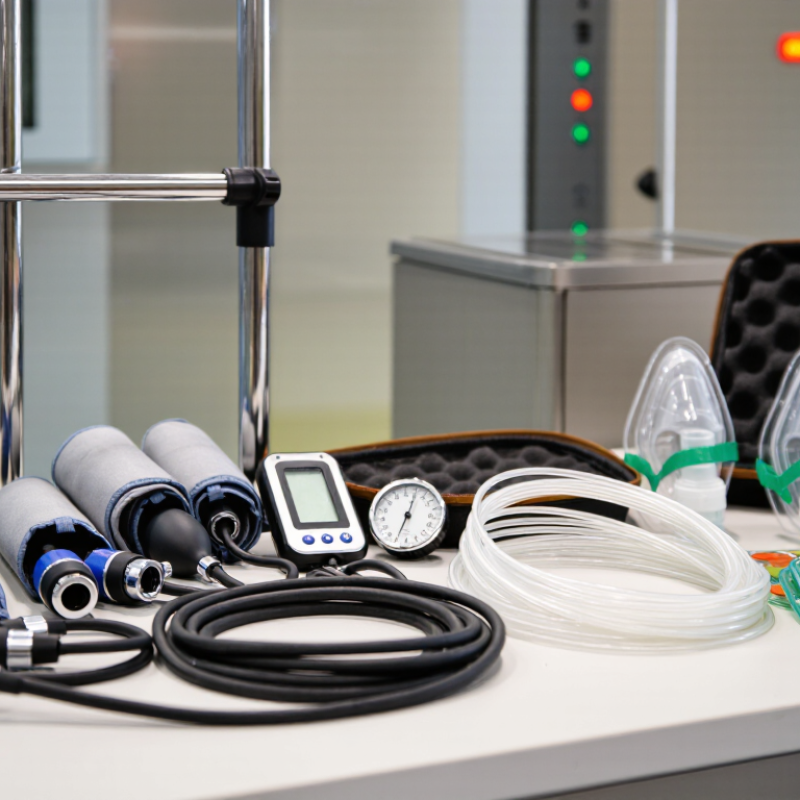
Medical accessories are the practical links between patients, clinicians, and medical devices. They include cables, cuffs, sensors, filters, tubing, electrodes, stands, carrying cases, and replacement parts. Some protect the device. Others protect the patient. A few do both.

The Medical Technology Industry in Europe report by MedTech Europe estimates that Europe has more than 930,000 different medical technologies. It also describes a market worth approximately €160 billion. This scale explains why buyers face more than a simple product choice. They must examine compatibility, cleaning requirements, durability, traceability, and staff training. The Fortune Business Insights Medical Devices Market report valued the global medical devices market at about US$512 billion in 2023. Accessories are not always counted separately, which makes direct market comparisons imperfect. That limitation matters.

Scott Whitaker, President and CEO of AdvaMed, has said, “Medical technology is an essential part of the health care system.” His statement also applies to the less visible accessories supporting that technology. A monitor is useless without reliable leads. A blood-pressure device needs the correct cuff size. A surgical instrument may fail operationally when its approved accessory is missing.

Buyers should look beyond the lowest price. They need evidence of performance, supplier reliability, and product fit. Small details can create large consequences. Yet, procurement teams sometimes overlook them. This guide examines the main types of medical accessories and the practical factors that influence safe, efficient purchasing. The categories are not perfectly tidy. That is worth remembering.

What Are Medical Accessories and What Types Do Buyers Need?

Defining Medical Accessories and Their Role in Healthcare

Medical accessories are supporting items designed to work with a medical device or care process. Under the EU Medical Device Regulation, an accessory helps a device achieve its intended purpose or improves its function. Examples include blood-pressure cuffs, sensors, electrodes, tubing, filters, batteries, protective covers, and sterilization trays. They are not minor extras. A poorly fitted cuff can distort a reading. An incompatible connector can interrupt treatment.

The World Health Organization’s Medical Devices fact sheet reports more than two million medical device types across over 7,000 generic groups. This scale makes accessory selection difficult. Buyers must check dimensions, materials, connection standards, cleaning methods, and documented compatibility. Safety matters more than convenience. The OECD’s Health at a Glance 2023 reports that health spending averaged 9.2% of GDP across OECD countries in 2022. That pressure encourages purchasing teams to compare total ownership costs, not only unit prices. A cheaper filter may require more frequent replacement. A durable battery may reduce downtime. Small details matter.

In practical procurement, buyers usually need three accessory categories: patient-contact items, device-operation components, and infection-control supplies. Clinical staff should confirm comfort and usability. Technical teams should verify performance specifications. Purchasing teams should review supplier documentation and traceability. Assumptions can fail. “Universal” does not always mean clinically suitable. Product labels also deserve careful reading. The best choice depends on the device, patient group, care setting, and maintenance routine.

Key Categories of Medical Accessories

Medical accessories are the supporting tools used around clinical equipment and patient care. Key categories include diagnostic accessories, monitoring supplies, mobility aids, wound-care items, respiratory components, and protective equipment. Each category serves a different practical need.

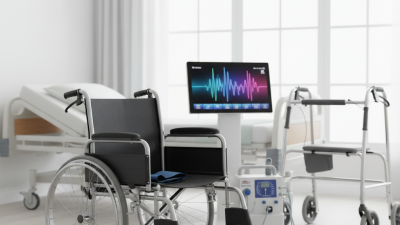
Diagnostic accessories may include examination lights, disposable covers, cuffs, and specimen containers. Monitoring accessories often include sensors, cables, electrodes, and replacement connectors. Mobility products can involve walking supports, transfer aids, positioning cushions, and wheelchair accessories. Wound-care categories include dressings, bandage materials, skin barriers, and securement products. Respiratory accessories may include masks, tubing, filters, and humidification parts. Buyers should check size, material, intended use, cleaning instructions, and equipment compatibility. A small mismatch can affect comfort or performance.

Tips: Start with the patient’s daily routine, not only the product name. Confirm measurements before ordering. Review labeling and care instructions with trained staff. I have seen buyers overlook storage conditions, especially for moisture-sensitive supplies. That mistake is easy to repeat. A useful checklist should include replacement frequency, packaging integrity, and staff training needs. Product descriptions can also be incomplete, so asking precise questions remains important. Comfort matters, but infection-control requirements matter too. In practice, the cheapest accessory is not always the most reliable choice. Sometimes, a slightly stronger connector or softer contact surface prevents repeated replacement.

Medical Accessories for Diagnosis and Monitoring

Medical accessories support diagnosis and monitoring by helping devices collect, display, or protect patient data. Common examples include blood pressure cuffs, ECG electrodes, pulse oximeter sensors, thermometers, examination lights, and replacement cables. These items may look simple, but their condition can affect clinical decisions. A loose electrode can distort an ECG trace. An incorrect cuff size can produce misleading blood pressure readings.

Buyers should match each accessory with the intended patient group and procedure. A neonatal sensor differs from an adult sensor because skin sensitivity and body size vary. Reusable accessories need materials that tolerate approved cleaning methods without cracking or losing accuracy. Disposable items require sealed packaging, clear expiry dates, and secure storage. Compatibility also matters. A cable may fit physically but still transmit unreliable signals if its specifications differ.

Reliable purchasing involves more than comparing prices. Check measurement range, connector type, calibration requirements, cleaning instructions, and expected service life. Ask whether replacement parts are available and whether staff can identify wear quickly. In practice, users should inspect cables for exposed wires, cuffs for air leaks, and sensors for damaged surfaces. Small defects are easy to overlook. I have found that a simple inspection checklist prevents more trouble than complicated purchasing rules. Still, no accessory removes the need for trained judgment. Motion, poor circulation, sweat, and incorrect placement can influence readings, even when the equipment appears functional. Records should note unusual results and repeat measurements when clinically appropriate.

What Are Medical Accessories and What Types Do Buyers Need? - Medical Accessories for Diagnosis and Monitoring

Accessory Category Primary Diagnostic or Monitoring Use Common Examples Key Specifications Buyers Should Check Typical Healthcare Settings Important Compatibility Requirements Replacement and Maintenance Considerations
Blood Pressure Measurement Accessories Non-invasive measurement of systolic and diastolic blood pressure and pulse rate. Adult cuffs Large adult cuffs Child cuffs Inflation bulbs Connecting tubes Cuff size range, arm circumference coverage, hose connector type, latex-free construction, and suitability for manual or automated measurement. Primary care clinics, hospitals, pharmacies, ambulances, nursing facilities, and home care. The cuff and tubing must match the blood pressure monitor or sphygmomanometer connector. Incorrect cuff size can affect measurement accuracy. Inspect bladder, valve, tubing, and hook-and-loop fastening regularly. Replace cuffs that are cracked, leaking, stretched, or difficult to secure.
Pulse Oximetry Accessories Spot-check or continuous monitoring of peripheral oxygen saturation and pulse rate. Reusable finger sensors Neonatal sensors Wrap sensors Extension cables Sensor site, patient size, cable length, connector design, reusable or disposable format, and cleaning compatibility. Emergency departments, respiratory wards, operating rooms, outpatient clinics, and home monitoring. Sensor connector and signal-processing system must be compatible with the monitor. Select sensors according to patient age, body size, and application site. Clean reusable sensors according to the equipment instructions. Check cable strain relief and optical surfaces for damage or contamination.
Electrocardiography Accessories Acquisition of cardiac electrical signals for rhythm assessment and diagnostic ECG recording. ECG electrodes Lead wires Patient cables Limb clips Chest suction electrodes Lead configuration, connector type, electrode material, cable shielding, disposable or reusable design, and intended patient population. Cardiology departments, hospitals, urgent care centers, clinics, ambulances, and diagnostic laboratories. Lead labels and connectors must correspond to the ECG system. Electrodes require good skin contact and should be used before their expiration date. Replace disposable electrodes after each patient. Inspect reusable cables for broken insulation, bent pins, and intermittent signal problems.
Temperature Measurement Accessories Measurement of body temperature for screening, clinical assessment, and patient monitoring. Oral probes Rectal probes Axillary probes Probe covers Infrared lens covers Measurement site, operating temperature range, probe response time, disposable cover fit, and cleaning or disinfection requirements. Hospitals, clinics, long-term care facilities, schools, pharmacies, and home care. Probes and covers must be designed for the specific thermometer model and measurement site. Use separate covers or probes where cross-contamination is a concern. Use single-use covers when required. Clean reusable probes and inspect cables, probe tips, and infrared windows before use.
Blood Glucose Testing Accessories Capillary blood glucose testing for diabetes management and clinical screening. Test strips Lancing devices Lancets Control solution Sampling accessories Test-strip chemistry, sample volume, storage temperature, expiration date, measurement range, and required quality-control procedure. Diabetes clinics, hospitals, physician offices, pharmacies, community programs, and home use. Test strips must be intended for the meter being used. Storage conditions and lot-specific calibration requirements should be followed. Store strips in their original container and keep the container closed. Use a new lancet for each test and perform control checks according to the testing policy.
Stethoscope Accessories Acoustic assessment of heart, lung, and bowel sounds during physical examination. Diaphragms Bell covers Ear tips Tubing Chest pieces Chest-piece compatibility, diaphragm diameter, tubing material, ear-tip size, acoustic performance, and cleaning method. Medical offices, hospitals, nursing facilities, ambulances, training institutions, and home visits. Replacement parts should match the chest piece and tubing assembly. Ear tips should provide a secure, comfortable acoustic seal. Disinfect surfaces between patients using an approved method. Replace hardened tubing, damaged diaphragms, or loose ear tips.
Diagnostic Imaging Accessories Supports positioning, image acquisition, patient protection, and routine operation of diagnostic imaging equipment. Positioning pads Immobilization straps Radiographic markers Protective barriers Imaging phantoms Radiolucent or imaging-compatible materials, dimensions, load capacity, cleaning requirements, and radiation or magnetic-environment suitability. Radiology departments, imaging centers, emergency departments, operating rooms, and dental facilities. Accessories must be suitable for the imaging modality. Items containing ferromagnetic materials should not be used in restricted magnetic environments. Inspect for cracks, tears, deformation, and loss of labels. Follow facility procedures for cleaning, disinfection, and periodic quality assurance.
Patient Monitoring Accessories Continuous or intermittent monitoring of vital signs such as ECG, respiratory rate, blood pressure, temperature, and oxygen saturation. ECG trunk cables SpO₂ sensors NIBP cuffs Temperature probes Mounting brackets Supported parameters, connector type, patient size, cable length, ingress protection, disposable or reusable format, and alarm-system compatibility. Intensive care units, operating rooms, emergency departments, recovery units, ambulances, and general wards. Every accessory must be approved for the relevant monitor configuration and parameter module. Check patient category settings before use. Replace accessories according to condition, infection-control policy, and manufacturer service guidance. Test cables and sensors after cleaning or repair.
Respiratory Monitoring Accessories Supports assessment of airflow, respiratory rate, carbon dioxide, and oxygen delivery during diagnosis or monitoring. Nasal cannulas Capnography sampling lines Flow sensors Breathing circuits Masks Patient age and size, connector standard, dead space, flow range, sampling-line length, moisture resistance, and single-use status. Respiratory units, operating rooms, intensive care, emergency care, sleep laboratories, and home respiratory care. Sampling lines, sensors, masks, and circuits must match the monitoring or respiratory device. Verify correct connections and absence of leaks. Single-use components should not be reused unless specifically designed and validated for reuse. Replace blocked, wet, cracked, or contaminated components.
Specimen Collection Accessories Collection, transport, and identification of samples used for laboratory diagnosis. Collection tubes Swabs Specimen cups Transport containers Labels Specimen type, additive or preservative, container volume, sterility, leak resistance, temperature requirements, and identification method. Hospitals, laboratories, clinics, urgent care centers, public health programs, and home collection services. Use the correct container and transport medium for the requested test. Labels and requisition details must remain matched to the specimen. Check packaging integrity and expiration dates. Follow applicable biological-safety, transport, storage, and disposal procedures.
Medical Power and Data Accessories Provides reliable electrical power, data transfer, charging, and connection between diagnostic devices and clinical information systems. Medical-grade power cords Battery packs Charging docks Data cables Network adapters Voltage and current rating, plug configuration, battery chemistry, runtime, electrical safety classification, cable shielding, and data-interface type. Hospitals, clinics, mobile diagnostic services, laboratories, ambulances, and home-care programs. Electrical and data accessories must meet the device requirements and facility safety policies. Avoid unapproved adapters that may affect performance or safety. Inspect cords and connectors for cuts, exposed conductors, heat damage, or loose contacts. Replace batteries when capacity or runtime becomes inadequate.
Buyer note: Before purchasing any medical accessory, verify device compatibility, patient population, intended use, infection-control requirements, storage conditions, applicable regulatory documentation, and the supplier's traceability and replacement support.

Medical Accessories for Treatment, Care, and Daily Support

Medical accessories support treatment, care, and daily independence. They include wound dressings, catheter holders, transfer belts, compression garments, mobility cushions, and replacement components. These items are not minor extras. The WHO and UNICEF Global Report on Assistive Technology (2022) estimates that 2.5 billion people need at least one assistive product. That figure may exceed 3.5 billion by 2050. Demand is growing.

Treatment accessories should match the procedure, body area, and clinical instructions. A dressing must maintain suitable moisture without trapping contamination. A transfer belt needs secure stitching, correct sizing, and a comfortable grip.

Care accessories also reduce avoidable strain during bathing, repositioning, or medication routines. Clean surfaces matter. CDC infection-control guidance emphasizes hand hygiene and proper equipment cleaning during patient care.

Buyers should check material safety, washing instructions, weight limits, and compatibility before purchase.

Daily support requires a different kind of attention.

A pressure-relieving cushion, shower chair, or reacher can make a small apartment safer. The United Nations projects that one in six people worldwide will be over age 65 by 2050, increasing demand for practical home support. Yet no checklist catches every household variation. A product may fit the patient but fail in a narrow bathroom. Clinicians, caregivers, and users should reassess comfort, skin condition, and ease of use. Small errors matter. Functional design is rarely universal.

How Buyers Can Choose the Right Medical Accessories

How Buyers Can Choose the Right Medical Accessories

Medical accessories include items such as examination gloves, masks, wound dressings, syringes, tubing, and mobility supports. Choosing correctly requires more than comparing prices. Buyers should match each accessory with its intended procedure, user group, and care environment. A dressing for a fragile skin type needs different materials from one used for routine protection. Check size, flexibility, packaging, and cleaning requirements before ordering. Small details matter.

Reliable purchasing also depends on supplier evidence. Ask for clear product specifications, quality documentation, storage guidance, and lot information. Confirm that accessories fit existing equipment and do not create avoidable safety problems. Healthcare professionals should review products used for clinical procedures. Their practical feedback may reveal issues that a catalogue cannot show, such as slippery surfaces or difficult adjustment. A low price can seem efficient, but replacement costs may rise when products fail early. No checklist is perfect. Review it after real use.

Tips: Test a small quantity before placing a large order. Measure users carefully, especially for supports and protective clothing. Inspect seals, labels, and expiry information upon delivery. Keep a simple record of complaints and returns. If staff repeatedly struggle with an accessory, reconsider the product instead of blaming the user. Clear instructions help, but they cannot fix a poor fit.

We use cookies to ensure that we give you the best experience on our website.