Choosing China’s top medical supplies manufacturers requires more than comparing factory prices. Global buyers need dependable quality, clear documentation, stable production, and responsive communication. A supplier may show modern equipment, yet performance depends on daily controls, trained workers, and honest reporting.
This guide examines manufacturers through practical purchasing criteria. These include product certifications, quality management systems, production capacity, traceability, packaging standards, and export experience. It also considers how suppliers handle samples, inspections, complaints, and after-sales support. Details matter. A sealed carton, readable lot number, and consistent delivery schedule can protect a hospital’s workflow.
Dr. Tedros Adhanom Ghebreyesus, Director-General of the World Health Organization, said, “No one is safe until everyone is safe.” His words underline the shared responsibility behind reliable medical supplies. Safe products must reach clinics, distributors, and patients without avoidable delays. Still, no ranking is perfect. Factory size does not always prove product reliability, and a low quotation can hide future costs. Buyers should verify claims independently through audits, certificates, testing records, and small trial orders.
The manufacturers discussed here represent different strengths, including disposable products, protective equipment, diagnostic items, rehabilitation supplies, and hospital essentials. Each company deserves careful review. Local regulations, intended use, and risk level also influence the right choice. This overview aims to support informed decisions, not replace professional quality or regulatory assessment.

China’s medical supplies industry spans consumables, diagnostic devices, monitoring equipment, imaging systems, surgical instruments, rehabilitation products, and home-care equipment. The scope is broad, but category boundaries remain messy. The World Health Organization reports more than two million types of medical devices worldwide, showing why product classification requires careful technical review.
According to the China Medical Device Industry Development Report 2023, China’s medical device market exceeded RMB 1 trillion in 2022. Manufacturing clusters support molded plastics, stainless-steel instruments, electronic assemblies, sterile packaging, and laboratory testing. A factory making examination gloves may operate differently from one producing patient monitors. Their quality risks are not interchangeable. Important checks include ISO 13485 systems, cleanroom control, sterilization validation, biocompatibility evidence, and lot-level traceability.
Export buyers should examine product files, not only factory photographs. Useful evidence includes inspection records, calibration logs, material certificates, and stability data. For diagnostic products, analytical sensitivity and reproducibility need close attention. For disposable supplies, seal strength and microbial barriers matter more. China offers scale and flexible production, yet low price can hide weak documentation. That lesson deserves repetition. Even experienced buyers sometimes approve samples before checking change-control procedures. A better assessment combines site audits, independent testing, and clear acceptance criteria.
Export-ready medical products need more than attractive packaging and competitive pricing. Reliable manufacturers usually operate under ISO 13485, which supports controlled design, production, inspection, and corrective actions. A valid certificate should match the factory, product scope, and current production site. Check the certificate carefully.
Risk control is equally important. ISO 14971 helps manufacturers identify hazards, estimate risks, and document practical controls. Electrical devices may require IEC 60601 testing, while patient-contact materials often need biocompatibility evidence under ISO 10993. Sterile products require validated sterilization processes, sealed packaging, and defined shelf-life studies. Small details matter.
Regulatory access depends on the destination market. European sales may require conformity assessment under the applicable medical device rules. The United States generally requires appropriate registration, listing, and premarket clearance or authorization when applicable. These are not interchangeable certificates. Manufacturers should provide technical files, test reports, declarations, labeling samples, and traceability records. Batch numbers should connect to raw materials, inspections, and release decisions.
A document can look complete.
Yet gaps still appear.
Some suppliers rely on outdated reports or generic test results. Buyers should request recent audit records, complaint-handling procedures, and change-control evidence. Factory visits can reveal weak storage practices, unclear calibration labels, or incomplete training records. No system is perfect. Honest manufacturers identify these weaknesses and improve them before shipment.
China Top Medical Supplies Manufacturers for Global Buyers
How to Evaluate China’s Medical Supplies Manufacturers
Choosing a medical supplies manufacturer requires more than comparing prices or factory photos. The WHO Global Atlas of Medical Devices identifies over two million medical device types worldwide. Product complexity varies sharply, so buyers should match the supplier’s experience with the device’s risk level.
Start with quality systems. Ask for current ISO 13485 certification, its issuing body, and the certified production scope. The ISO Survey has recorded more than 31,000 ISO 13485 certificates globally, yet certification alone proves limited capability. Review batch records, incoming-material checks, equipment calibration, and complaint-handling procedures. Request anonymized samples of inspection reports. A polished audit room can still hide weak production controls.
Check traceability in person or through a qualified third-party audit. Follow one sample from raw material receipt to packaging and shipment. Confirm sterilization validation, shelf-life evidence, and change-control records where relevant. The WHO also stresses that medical devices need lifecycle management, not only final-product testing. Ask how the manufacturer handles rejected batches. Honest answers matter.
Do not ignore communication. Test response times with technical questions, not sales requests. Verify whether drawings, test methods, and declarations remain consistent across departments. I would not rely on one successful sample; sampling can miss process drift. A second audit may feel expensive, but recalls and delayed approvals cost far more. Supplier evaluation should remain documented, repeatable, and open to correction.
| Evaluation Dimension | What Global Buyers Should Check | Reliable Evidence or Benchmark | Why It Matters | Suggested Weight |
|---|---|---|---|---|
| Product Category and Intended Use | Confirm whether the factory produces the exact product type, intended use, risk class, and target-market configuration. | Product specification, intended-use statement, technical file index, and applicable regulatory classification. | A manufacturer experienced in the same device category is more likely to control design, production, and regulatory risks. | 15% |
| Quality Management System | Verify that the quality system covers design controls, supplier management, production, traceability, complaints, and corrective actions. | A current ISO 13485 certificate issued by an accredited certification body, with the correct site and scope. | ISO 13485 is the internationally recognized quality-management standard specifically designed for medical devices. | 15% |
| Regulatory Compliance | Check compliance with the laws of the destination market rather than relying only on general certificates. | For the EU, review applicable MDR requirements and CE documentation; for the United States, verify FDA establishment registration and the applicable clearance, approval, or exemption status. | Regulatory obligations differ by product and market; a general certificate does not automatically authorize product sales everywhere. | 15% |
| Product Testing and Validation | Review performance, biocompatibility, electrical safety, sterilization, packaging, shelf-life, and transport validation where applicable. | Test reports from competent laboratories, validation protocols, acceptance criteria, and reports linked to the final product version. | Independent and product-specific evidence helps confirm that the product performs safely under its stated conditions. | 12% |
| Manufacturing and Process Control | Assess controlled production areas, incoming inspection, in-process controls, final inspection, equipment maintenance, and environmental monitoring. | On-site audit, process flow chart, control plan, calibration records, batch records, and documented nonconformance procedures. | Strong process controls reduce variation, defects, contamination risks, and unexpected production interruptions. | 12% |
| Traceability and Batch Control | Determine whether raw materials, components, operators, production dates, inspection results, and finished goods can be traced. | Lot or batch numbering, device history records, material certificates, retention samples, and recall procedures. | Traceability supports targeted investigations, effective recalls, and regulatory reporting. | 8% |
| Sterilization and Packaging | For sterile products, verify the sterilization method, validated cycle, packaging integrity, aseptic controls, and stated shelf life. | Sterilization validation, packaging validation, seal-strength or integrity testing, and shelf-life evidence appropriate to the product. | Sterility and packaging failures can create serious patient-safety, compliance, and logistics risks. | 8% |
| Raw-Material and Supplier Management | Check how critical suppliers are qualified, monitored, audited, and controlled after material or process changes. | Approved supplier list, incoming inspection records, material specifications, change-notification procedure, and supplier audit reports. | Medical-product quality depends on consistent materials and controlled external processes. | 7% |
| Customization and Design Capability | Evaluate engineering resources, design transfer, tooling control, validation of changes, labeling, and private-label support. | Design-control records, engineering change orders, prototype samples, drawings, specifications, and approved artwork. | Controlled customization helps prevent unauthorized changes that could affect safety or regulatory status. | 5% |
| Production Capacity and Lead Time | Compare demonstrated monthly capacity, minimum order quantity, sample lead time, mass-production lead time, and peak-season planning. | Capacity statement supported by production records, capacity allocation plan, purchase-order history, and agreed service-level terms. | Capacity must be demonstrated without compromising inspection, documentation, or delivery consistency. | 5% |
| Commercial and Logistics Reliability | Review quotation clarity, payment terms, export documentation, shipping options, insurance, and after-sales responsibilities. | Proforma invoice, Incoterms® 2020 terms, packing list, certificate-of-origin process, warranty terms, and communication records. | Transparent commercial terms reduce landed-cost surprises and cross-border fulfillment problems. | 4% |
| Post-Market Support | Assess complaint handling, adverse-event escalation, corrective and preventive action, field safety notices, and replacement support. | Written complaint procedure, response-time targets, CAPA records, recall plan, and designated regulatory contact. | Effective post-market processes are essential for managing safety issues throughout the product life cycle. | 4% |
| Total Suggested Evaluation Weight | 100% | |||
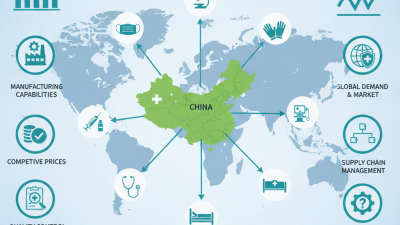
China’s medical supplies industry is concentrated in several manufacturing regions. Guangdong supports high-volume production, electronics integration, and export packaging. Jiangsu offers strong capabilities in diagnostics, laboratory equipment, and precision components. Zhejiang is known for consumables, protective products, and flexible private manufacturing. Shanghai and Shandong add research capacity, sterilization services, and port access. Regional specialization matters because product quality depends on more than factory pricing.
UNIDO reported that China produced about 31% of global manufacturing value added in 2022. The World Bank’s 2023 Logistics Performance Index gave China a score of 3.7, ranking it 19th among 139 economies. These figures suggest strong industrial depth and dependable transport infrastructure. Yet supply chains are not perfect. Smaller suppliers may rely on the same raw-material corridor, creating hidden concentration risks. I have seen attractive quotations weaken after testing, documentation, or packaging changes.
Tips: Map suppliers by province, not only by company. Request batch records, inspection samples, sterilization evidence, and realistic lead times. Check whether critical components come from one source. Confirm export documents before production begins. Keep a backup supplier near a different logistics hub. Cheap freight can become expensive during seasonal congestion.
China Top Medical Supplies Manufacturers for Global Buyers
Procurement should begin with risk mapping, not a low quotation. The WHO-UNICEF Global Report on Assistive Technology estimates that 2.5 billion people need assistive products today. Demand may exceed 3.5 billion by 2050. This growth increases pressure on medical supply sourcing and quality control.
Request the supplier’s ISO 13485 certificate, scope, audit history, and production records. Verify the certificate with the issuing body. Inspect incoming materials, line clearance, packaging integrity, and batch traceability. A practical audit should include sample measurements, not only document reviews. For sterile products, ask for sterilization validation, biological indicators, and shelf-life evidence. Small gaps matter.
The OECD’s Health at a Glance reports continuing supply-chain pressure across healthcare systems. Buyers should therefore qualify a backup factory before the first shipment. Check HS codes, Incoterms, country-of-origin documents, labeling language, and destination-market registration duties. Customs delays often begin with inconsistent product descriptions. Quality can still fail after a successful factory audit. Storage temperature, humidity, and transport handling need written controls. I have seen procurement teams overtrust certificates and undercheck cartons. That is an uncomfortable weakness. A sealed carton is not proof of a safe product.
This comparison uses the World Bank’s 2023 Logistics Performance Index (LPI), which scores countries from 1 to 5 across customs, infrastructure, international shipments, logistics competence, tracking and tracing, and timeliness. Higher scores generally indicate a more predictable environment for international procurement and import operations.
Procurement teams should combine logistics performance with supplier qualification, ISO 13485-based quality systems, product registration, batch traceability, pre-shipment inspection, and destination-market import requirements. Source: World Bank, Logistics Performance Index 2023.
© 2025 Henleys Medical Supplies | Website Cookies & Privacy Policy | Company Privacy Notice | Terms of Sale | Cancellation & Returns | Company Reg No. 452882 | Vat No. GB229 2540 68 | Web design by Cariad Marketing