| 1 |
N95 / FFP2 Filtering Facepiece Respirators |
N95: 95% minimum filtration
FFP2: 94% minimum filtration
Disposable, particulate-filtering, cup or fold-flat designs; nose clip and head straps or ear loops depending on the model.
|
Nonwoven polypropylene filter layers, melt-blown filtration media, elastic straps, aluminum or polymer nose clip. |
Individual polybag or paper box; inner cartons protected from moisture; outer corrugated cartons with lot number, production date, and expiry information. |
Generally non-dangerous goods. Keep dry and protected from crushing; confirm destination-market labeling and import requirements before shipment. |
Applicable conformity certificate, test report from a competent laboratory, quality-management certificate, product specification, lot traceability procedure, and declaration of conformity where required. |
Filter performance, breathing resistance, strap strength, inward leakage or fit-related design checks, visual defects, packaging integrity, and lot traceability. |
Healthcare, industrial dust protection, emergency stockpiles, and public-sector procurement. |
| 2 |
Medical / Surgical Face Masks |
Three-layer disposable mask; commonly classified under ASTM F2100 or EN 14683 depending on the market.
Typical features include bacterial filtration, splash resistance for higher performance levels, and low breathing resistance.
|
Spunbond polypropylene outer layers, melt-blown polypropylene filter layer, elastic ear loops, metal or plastic nose wire. |
Boxed in quantities such as 25 or 50 pieces; cartons should include mask type, lot number, manufacture date, expiry date, and storage conditions. |
Lightweight and high-volume cargo; optimize carton cube and avoid compression that can deform masks. Check destination rules for medical-device registration and language labeling. |
Standard-specific test report, material declaration, ISO 13485 certificate where applicable, product labeling artwork, sterilization statement if claimed, and batch-release records. |
Filtration efficiency, differential pressure, splash resistance where applicable, ear-loop attachment, nose-wire placement, odor, cleanliness, and seal quality. |
Hospitals, clinics, laboratories, public transport, and general infection-control programs. |
| 3 |
Oxygen Concentrators |
Electric oxygen concentrator, commonly 5 L/min or 10 L/min nominal output; concentration commonly specified at approximately 90% or above at rated flow, subject to the model and operating conditions.
|
ABS or flame-retardant polymer housing, molecular-sieve beds, compressor, filters, oxygen tubing, humidifier bottle, and electronic control components. |
Foam or molded-pulp cushioning inside a double-wall or heavy-duty export carton; accessories packed separately; include user manual and spare intake filters. |
Usually shipped as electrical equipment, not compressed oxygen. Confirm voltage, plug type, frequency, customs classification, pallet stability, and destination electrical-safety requirements. |
ISO 13485 certificate where applicable, electrical-safety and EMC test reports, performance test records, risk-management file summary, warranty policy, and service-parts list. |
Oxygen concentration at multiple flow rates, noise level, power consumption, alarm functions, leakage, tubing connection, voltage compatibility, and burn-in testing. |
Home-care programs, clinics, rural healthcare facilities, and oxygen-access projects. |
| 4 |
Portable Oxygen Concentrators |
Battery-powered or hybrid device; often provides pulse-dose oxygen rather than continuous flow. Verify oxygen output, bolus volume, battery runtime, and charging time for the exact model.
|
Polymer housing, molecular-sieve columns, compressor, rechargeable lithium-ion battery, charger, cannula, and control electronics. |
Custom molded-pulp or closed-cell foam insert; battery and charger secured separately; use drop-tested retail or export packaging with clear battery documentation. |
Rechargeable lithium-ion batteries may be regulated as dangerous goods. Confirm watt-hour rating, UN 38.3 test summary, packaging instructions, carrier acceptance, and air-freight restrictions. |
Battery UN 38.3 documentation, safety data or battery specification, electrical and EMC reports, product risk assessment, quality certificate, and after-sales repair capability. |
Oxygen bolus consistency, battery capacity, charging protection, alarm operation, portability, drop resistance, cannula connection, and performance at different altitudes if claimed. |
Ambulatory patients, travel support, home-care providers, and mobile medical services. |
| 5 |
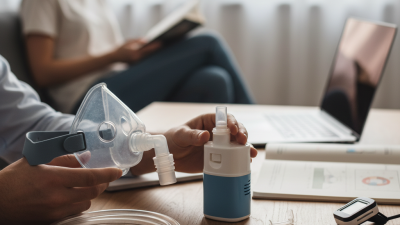
Compressor Nebulizers |
Jet nebulizer system with compressor, medication cup, tubing, mouthpiece, and mask. Key parameters include nebulization rate, residual volume, particle-size distribution, and operating noise.
|
ABS housing, electric compressor, PVC or silicone tubing, polypropylene medication cup, plastic mouthpiece, and elastomer mask. |
Retail carton with molded-pulp or foam insert; accessories sealed in a clean inner bag; use moisture-resistant export cartons and protect the compressor from impact. |
Normally non-dangerous electrical cargo. Confirm voltage and plug configuration; prevent dust and moisture ingress during ocean or air transport. |
Applicable medical-device conformity documents, ISO 13485 certificate where applicable, electrical and EMC test reports, performance test report, material declarations, and cleaning instructions. |
Nebulization rate, particle-size distribution, residual volume, airflow, noise, leakage, medication-cup fit, electrical safety, and accessory completeness. |
Asthma and COPD home care, outpatient clinics, pediatric care, and community health programs. |
| 6 |
Handheld Mesh Nebulizers |
Vibrating-mesh device designed for low-volume medication delivery; evaluate nebulization rate, residual volume, particle-size distribution, battery life, and cleaning method.
|
Polymer body, vibrating mesh plate, medication reservoir, electronic controller, rechargeable battery or alkaline-battery compartment, mouthpiece, and mask. |
Individual protective tray or molded insert; mesh module sealed against contamination; include charging cable, cleaning accessories, instructions, and spare medication cup when applicable. |
Rechargeable versions may require lithium-battery shipping documentation. Protect the mesh aperture from dust, impact, and liquid exposure; verify transport mode restrictions. |
Battery documentation when applicable, electrical and EMC reports, performance validation, cleaning and disinfection instructions, quality certificate, and warranty terms. |
Mesh output consistency, residual volume, leakage, battery runtime, charging safety, cleaning compatibility, aerosol particle size, and blockage detection. |
Portable home treatment, pediatric use, travel kits, and mobile clinical services. |
| 7 |
Pulse Oximeters |
Fingertip or handheld non-invasive device measuring oxygen saturation and pulse rate. Accuracy depends on oxygen-saturation range, pulse rate, skin pigmentation, motion, perfusion, and device design.
|
ABS or polycarbonate housing, optical sensors, silicone finger cushion, display module, circuit board, and alkaline or rechargeable power source. |
Protective retail box with foam or molded-pulp insert; include batteries where permitted, lanyard, user manual, and calibration or verification information. |
Devices with ordinary alkaline batteries are generally simpler to ship; lithium-powered versions require battery documentation. Prevent screen damage and extreme temperatures. |
Applicable medical-device registration or conformity documents, ISO 80601-2-61 test evidence where applicable, EMC and electrical-safety reports, calibration procedure, and quality records. |
SpO₂ accuracy, pulse-rate accuracy, low-perfusion performance, display readability, battery compartment, sensor alignment, alarm operation, and repeatability. |
Home monitoring, clinics, emergency kits, telehealth programs, and respiratory screening. |
| 8 |
Reusable and Disposable Oxygen Masks |
Adult, pediatric, or infant sizes; standard, non-rebreather, and Venturi configurations. Verify flow range, oxygen concentration control, reservoir-bag performance, and connector compatibility.
|
PVC, silicone, polypropylene, elastic strap, aluminum nose clip, oxygen reservoir bag, and standard oxygen tubing. |
Individual clean bag or pouch; masks and tubing protected from deformation; non-rebreather components should be checked for valve and reservoir-bag integrity before carton packing. |
Lightweight, non-dangerous medical accessory. Avoid heat and compression that can deform masks; verify sterile or non-sterile status and destination labeling requirements. |
Material safety and biocompatibility information, applicable device conformity documents, ISO 10993 evaluation where applicable, dimensional drawings, and sterilization validation if supplied sterile. |
Airflow, connector fit, tubing length, valve function, reservoir-bag inflation, mask seal, odor, cleanliness, and packaging integrity. |
Emergency departments, ambulances, hospitals, home oxygen therapy, and disaster-response inventories. |
| 9 |
Nasal Cannulas and Oxygen Tubing |
Standard oxygen tubing commonly uses a universal connector and is supplied in various lengths. Evaluate kink resistance, internal diameter, flow performance, and compatibility with concentrators or flowmeters.
|
Medical-grade PVC or silicone tubing, soft nasal prongs, connector fittings, and adjustable slider. |
Individual clean bags or bulk inner bags; tubing coiled with a controlled bend radius; cartons should prevent permanent kinking and include length and material information. |
Low-weight, high-volume product; maximize carton utilization without over-compression. Protect from excessive heat, ultraviolet exposure, and contamination during storage and transport. |
Material declaration, biocompatibility evaluation where applicable, product drawing, flow-resistance data, conformity documentation, and sterilization records if sterile. |
Tubing wall thickness, connector dimensions, flow resistance, kink recovery, nasal-prong smoothness, tensile strength, cleanliness, and package seal. |
Home oxygen therapy, hospitals, ambulance services, and long-term respiratory-care programs. |
| 10 |
Medical Examination Gloves for Respiratory Care |
Disposable nitrile or latex examination gloves; evaluate size range, fingertip thickness, tensile strength, elongation, pinhole performance, and powder-free status.
|
Nitrile rubber or natural rubber latex, polymer coating where applicable, and packaging paper or polyethylene film. |
Commonly packed in dispenser boxes, with multiple boxes per export carton; cartons should be dry, crush-resistant, and marked with size, lot number, manufacture date, and expiry information. |
Non-dangerous cargo. Rubber products should be protected from ozone, sunlight, excessive heat, moisture, and prolonged compression during storage and transit. |
Applicable glove standards such as EN 455 or ASTM D6319, quality-management certificate, powder-free verification, biocompatibility information, tensile test report, and lot traceability records. |
Visual defects, pinholes, tensile strength, elongation, cuff integrity, sizing, powder residue, packaging count, and accelerated-aging or shelf-life evidence. |
Hospitals, laboratories, respiratory clinics, home-care workers, and infection-prevention programs. |