Top Oxygen Equipment Innovations for Enhanced Breathing Experience?
In the rapidly evolving landscape of healthcare, oxygen equipment innovations are becoming crucial. Dr. Sarah Mitchell, a leading expert in respiratory technology, once stated, "The future of oxygen equipment lies in enhancing the user experience." Her words resonate as the industry transforms, focusing on patient comfort and efficiency.
Recent advancements have introduced lightweight designs and smart technology features. Portable oxygen concentrators are not only easier to use but also deliver more precise doses. This functionality significantly improves daily living for users, allowing more freedom and independence. However, many products still fall short in battery life or usability.
Challenges remain. Not all innovations meet the diverse needs of patients. Some users express frustration with complicated interfaces. Furthermore, the accessibility of these advanced tools can be a significant hurdle. The hope is to bridge these gaps, ensuring oxygen equipment is both effective and user-friendly for everyone who needs it.
Recent Advancements in Oxygen Therapy Devices
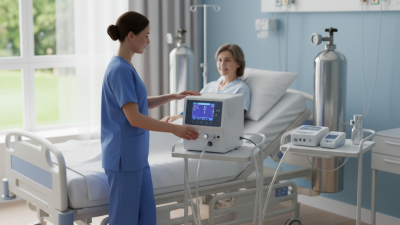
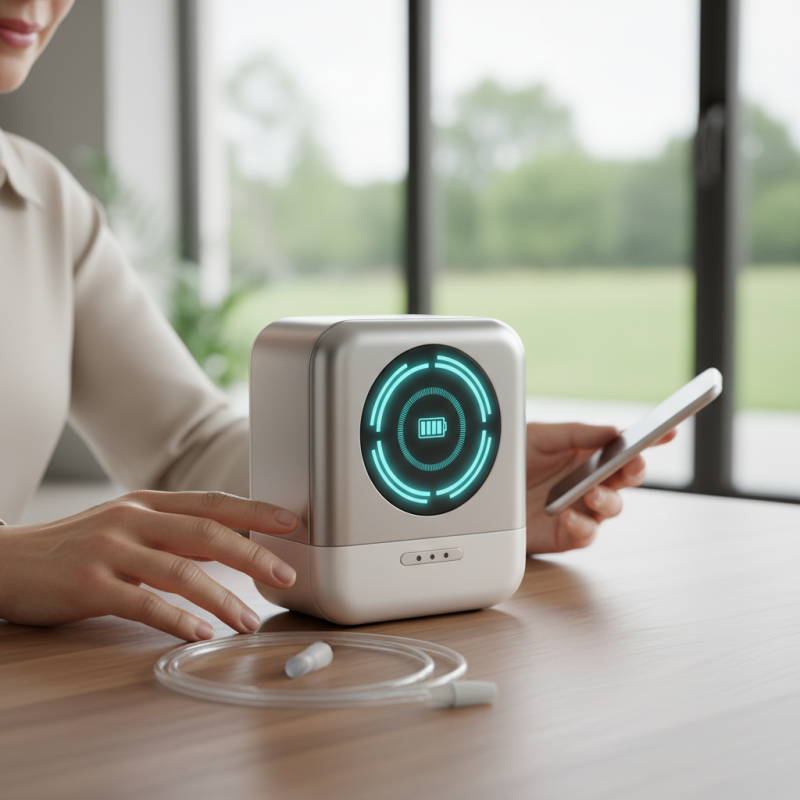
Recent advancements in oxygen therapy devices have transformed the breathing experience for many individuals. Compact, lightweight oxygen concentrators are now more accessible. These devices enhance mobility, allowing users to engage in daily activities with ease. Some models even offer battery-operated options, enabling longer outdoor use. The improvement in battery life supports patients who need continuous oxygen therapy.
The incorporation of smart technology has also revolutionized oxygen therapy. Some devices now feature mobile apps for tracking oxygen levels and usage times. Users can monitor their health data in real-time, leading to better management of their conditions. However, there are still challenges. Not all users quickly adapt to these technologies. For some, the learning curve can be steep, leading to frustration.
Additionally, advancements in mask design have improved comfort. Nasal cannulas are now softer and less intrusive. New materials prevent irritation during prolonged use. However, some individuals find that they still prefer traditional masks. This indicates the need for ongoing research into user preferences. Ultimately, enhancing the breathing experience is a journey. Continuous feedback from users will drive future innovations.
Portable Oxygen Concentrators: Convenience and Efficiency
Portable oxygen concentrators (POCs) have become essential for those needing supplemental oxygen. The convenience and efficiency of these devices make them popular among patients with respiratory conditions. According to industry reports, the global portable oxygen concentrator market is expected to reach $2.2 billion by 2025. This reflects a growing demand for better breathing support for users.
POCs are favored for their lightweight design and user-friendly operation. Many models weigh less than five pounds, making them easy to carry. They enable users to maintain an active lifestyle while managing their oxygen needs. However, not all units provide the same performance. Some users report limitations in battery life during extended outings. Additionally, the noise levels can be distracting in quiet settings.
Recent advancements have introduced dual-battery systems and quieter operation modes. These innovations enhance user experience. Yet, it's crucial for individuals to research and test different models. Understanding specific oxygen needs is vital. Calibration and adjustments might be necessary to achieve optimal results. Quality and reliability vary. A well-informed user can better navigate these challenges for their breathing needs.
Top Oxygen Equipment Innovations for Enhanced Breathing Experience
| Feature |
Description |
Benefit |
Weight |
Battery Life |
| Lightweight Design |
Portable oxygen concentrators designed for easy transport. |
Increased mobility and convenience for users. |
4.5 lbs (2 kg) |
Up to 5 hours |
| Advanced Filtration |
Multi-layer filtration to ensure purity of oxygen. |
Improved respiratory health and safety. |
6 lbs (2.7 kg) |
4 hours |
| Smart Technology |
Integrated apps for monitoring and assistance. |
Real-time health tracking and alerts. |
5 lbs (2.27 kg) |
6 hours |
| Quiet Operation |
Low-noise technology for comfortable use. |
Discreet use in social settings. |
5.5 lbs (2.5 kg) |
5 hours |
| User-Friendly Interface |
Touchscreen controls for easy operation. |
Simplified usage for all age groups. |
4.8 lbs (2.18 kg) |
4.5 hours |
Future Trends in Oxygen Delivery Systems
Oxygen delivery systems are evolving rapidly. Recent data highlights a growing demand for advanced oxygen therapy solutions. As the global population ages, the need for effective oxygen equipment has surged. In fact, the global oxygen therapy market is projected to reach $10 billion by 2025. This growth is driven by the increasing prevalence of respiratory diseases, notably COPD and asthma.
Future trends show a shift toward portable and user-friendly devices. Wearable oxygen systems, for example, offer patients greater mobility. These devices are often lighter and more convenient than traditional models. Moreover, smart technology integration is on the rise. Real-time monitoring is becoming standard. This allows health professionals to track patients remotely.
However, challenges remain in ensuring accessibility and affordability. Many regions still lack adequate oxygen supply. A report suggests that around 60% of patients in low-income areas do not receive necessary oxygen treatment. Addressing this gap is crucial for effective healthcare delivery. Innovations must focus on rigorous testing and community engagement to meet real-world needs.
Impact of Wearable Oxygen Equipment on Daily Life
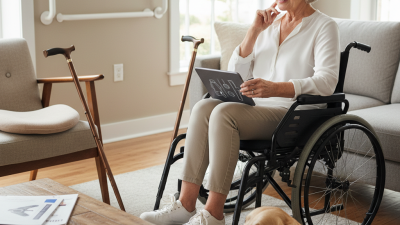
Wearable oxygen equipment has transformed daily life for many individuals. Recent studies show that up to 80% of users report an improved quality of life. This enhancement stems from better mobility and increased social interactions. Oxygen concentrators and portable tanks allow users to breathe more easily during activities. They walk in parks, attend social events, and even travel. These innovations boost confidence and reduce feelings of isolation.
However, not everything is perfect. Users often face challenges, such as device maintenance and limited battery life. A survey indicated that nearly 30% of users felt frustrated by the weight of their equipment. Some found it bulky or cumbersome during outings. Furthermore, the learning curve for using new devices can be steep. Users may struggle with settings and adjustments needed for optimal performance. This leads to moments of anxiety, reminding us that innovation still needs improvement.
Despite these issues, the overall impact of wearable oxygen technology is monumental. Reports suggest that better breathing directly correlates with enhanced mental well-being. By addressing challenges, manufacturers can create even more effective products. Each step in innovation paves the way for a more inclusive experience, allowing everyone to enjoy daily life to its fullest.