Top Medical Instruments to Watch in 2026 What Will Change?
As we look toward 2026, the landscape of medical instruments is set for significant transformation. Dr. Emily Carter, a leading expert in healthcare technology, states, "The future of medical instruments will redefine patient care." This prediction resonates as new innovations emerge, reshaping how we diagnose and treat conditions.
Medical instruments, from imaging tools to surgical devices, are evolving rapidly. For instance, AI integration is enhancing precision in diagnostics. Yet, there are challenges. The adoption of new technologies can be slow due to regulatory hurdles and cost factors. As we explore these advancements, it’s crucial to reflect on their accessibility and impact on diverse populations.
Additionally, sustainability in manufacturing these instruments is a pressing concern. How can the industry balance innovation with environmental responsibility? The answer will require collaboration between manufacturers, healthcare providers, and patients. The journey toward 2026 is not just about advancing technology; it's about ensuring that these medical instruments serve all members of society effectively.
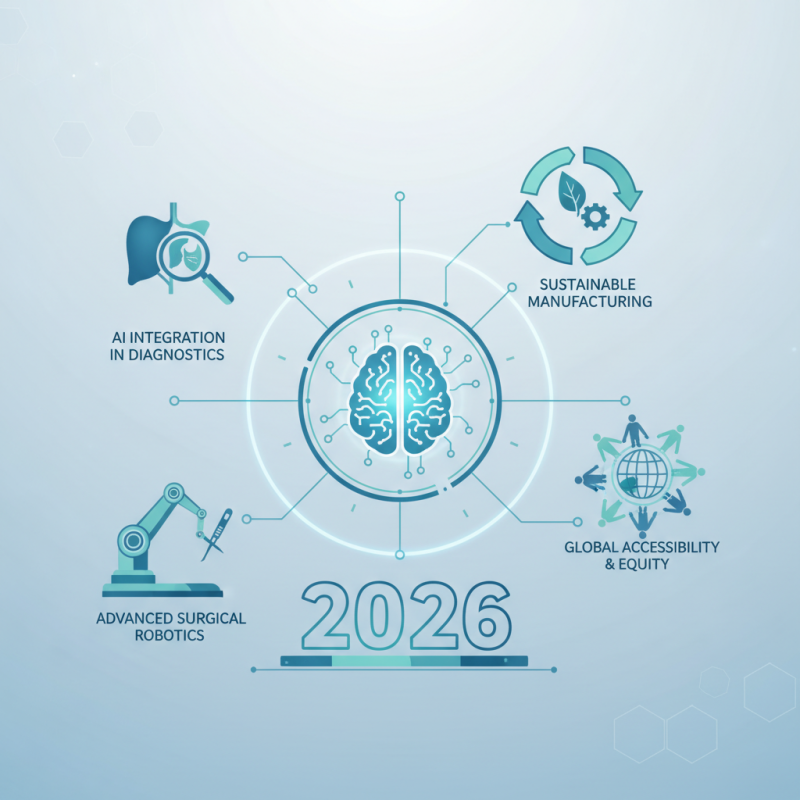
Top Trends in Medical Instrument Innovation for 2026
The medical instruments sector is shifting rapidly as we approach 2026. Innovations are driven by technological advancements. Artificial intelligence and machine learning are increasingly integrated into new devices. Reports indicate that the global AI in healthcare market is projected to reach $45.2 billion by 2026. This growth reflects a clear demand for smart instruments that enhance diagnostic accuracy.
Telemedicine is a vital trend influencing instrument development. Effective remote patient monitoring tools gain popularity. A recent study shows that 74% of healthcare providers plan to implement telehealth solutions in the next few years. These instruments allow real-time patient data collection. However, concerns regarding data privacy and security linger. Many patients question how their sensitive information is protected.
Sustainability is another essential aspect of innovation in medical instruments. Eco-friendly materials are becoming the norm rather than the exception. The global green healthcare market is anticipated to hit $224.5 billion by 2026. Companies face challenges in balancing cost with eco-friendly practices. While progress is being made, questions arise about the long-term viability of sustainable solutions. Will they truly reduce environmental impact?
Key Advancements in Imaging Technologies: AI and Beyond
Imaging technologies are evolving rapidly, driven largely by advancements in artificial intelligence (AI). By 2026, we can expect these technologies to offer sharper images and faster diagnostics. Improved algorithms will enable machines to interpret images more accurately. This can enhance early detection of diseases, such as cancer. However, reliance on software can lead to blind spots.
AI-powered imaging may still struggle with unusual cases. When images contain complex patterns, misinterpretations can occur. These flaws remind us to ensure human oversight in critical situations. The integration of AI presents both opportunities and challenges.
Moreover, new imaging tools are becoming user-friendly. Healthcare professionals can access real-time data more easily than ever. This accessibility streamlines patient care. Yet, one must question if this abundance of information overwhelms some practitioners. Balancing technology with human intuition will be essential. As we embrace advancements, ongoing evaluations of their effectiveness will be crucial for success.
Revolutionizing Surgical Instruments: Robotics and Minimally Invasive Techniques
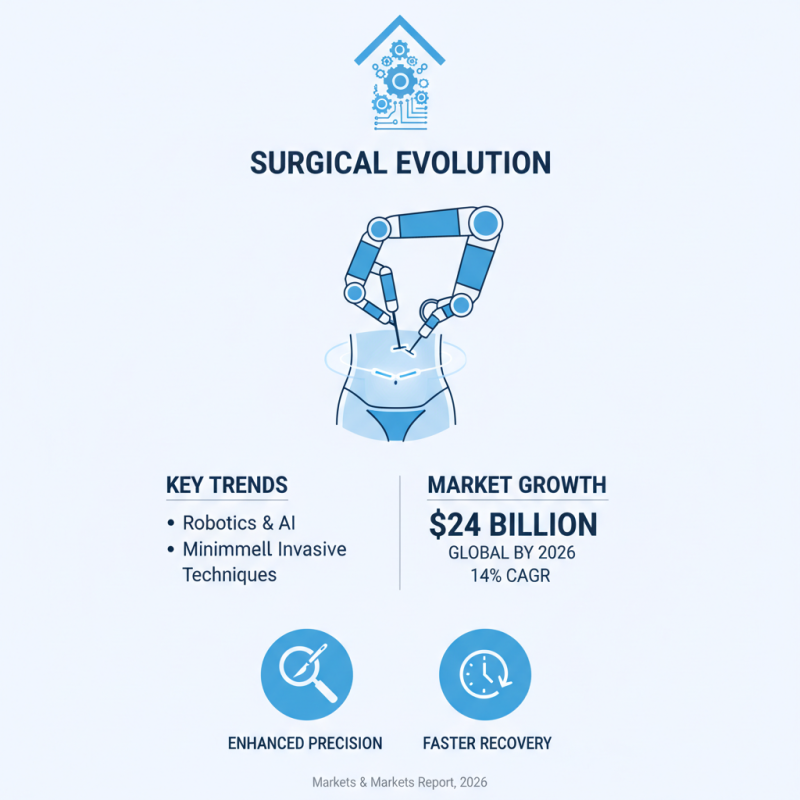
The surgical landscape is evolving rapidly. Robotics and minimally invasive techniques are leading the charge. According to a recent report by the Markets and Markets research team, the global surgical robotics market is expected to reach $24 billion by 2026. This represents a compound annual growth rate of around 14%. Robots are enhancing precision and reducing recovery times.
Minimally invasive surgeries (MIS) are on the rise. They offer smaller incisions, which means less pain for patients. A study published in the Journal of Minimally Invasive Surgery showed that MIS can reduce hospital stays by 2-3 days compared to traditional methods. Yet, these advancements present challenges. Training for medical staff must keep pace with technology. Not every hospital has the resources for sophisticated robotic systems.
Still, the shift is promising. Hybrid operating rooms are emerging, combining advanced imaging with robotics. This technology could further minimize risk. However, the financial burden for hospitals remains significant. It's unclear how many healthcare facilities will adapt to these trends. The path ahead is exciting but also uncertain, as the industry grapples with these technological advances.
Wearable Health Monitoring Devices: Market Growth and Future Prospects
The market for wearable health monitoring devices is anticipated to grow by 30% annually, reaching $60 billion by 2026. This surge is driven by increasing consumer interest in personal health data. Devices like smartwatches and fitness trackers will play a crucial role in this evolution. They help monitor vital signs such as heart rate, sleep patterns, and physical activity.
Despite the rapid growth, challenges remain. Data accuracy and privacy issues are significant concerns. Recent studies show that nearly 40% of users doubt the reliability of their devices. This skepticism presents a barrier to widespread adoption. Additionally, the complexity of data interpretation can overwhelm users.
Investments in AI and machine learning are expected to help. These technologies can improve data analysis, making insights clearer. Moreover, partnerships between tech companies and healthcare providers are emerging. This collaboration aims to enhance the functionality of wearable devices, ensuring they meet market demands effectively. However, the question remains whether these advancements will truly resonate with consumers.
Top Medical Instruments to Watch in 2026: Wearable Health Monitoring Devices
This chart illustrates the projected market growth of various wearable health monitoring devices by 2026. It highlights the increasing demand for health-related technology as consumers become more health-conscious and seek to monitor their wellness in real-time.
Regulatory Changes Impacting Medical Device Development by 2026
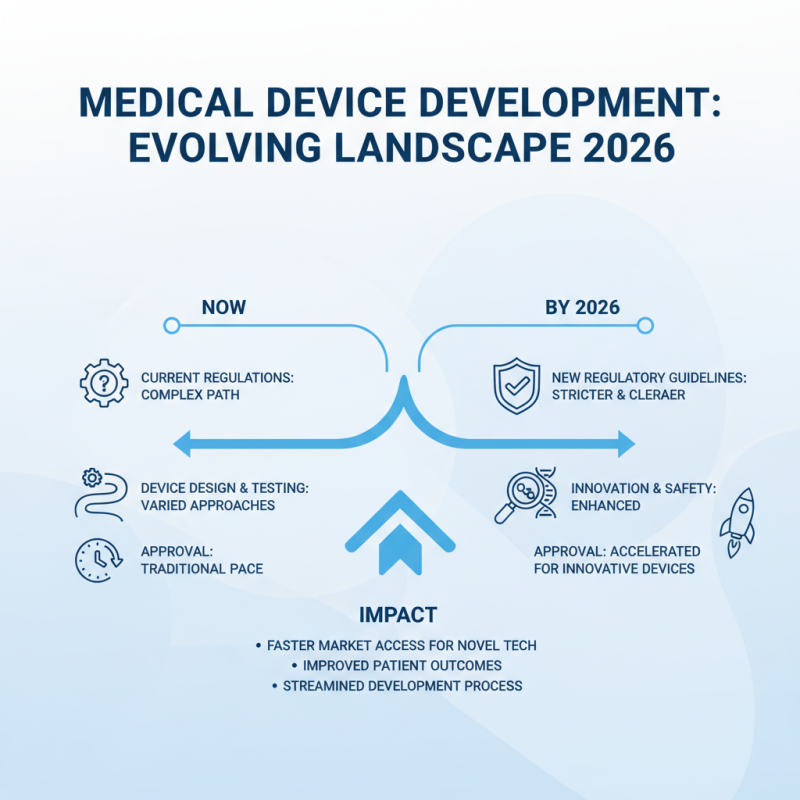
The landscape of medical device development is evolving rapidly due to regulatory changes. By 2026, we anticipate a significant impact on how devices are designed, tested, and brought to market. Stricter guidelines may accelerate the approval process for innovative instruments while enhancing patient safety.
Pressure from governing bodies aims to reduce risks associated with new devices. For developers, this means incorporating safety measures early in the design phase. It’s essential to stay updated with the latest regulations. Old compliance methods might not suffice anymore.
**Tip:** Collaborate with regulatory experts. They can guide your team through the complexities of compliance.
Additionally, developers need to embrace new technologies. Incorporating artificial intelligence and data analytics can streamline development processes. Yet, this approach invites its own challenges. Balancing innovation with compliance is not easy. Teams must remain adaptable.
**Tip:** Regularly review processes and outcomes. Learning from both successes and setbacks will be crucial in this evolving environment.