Call us on 01707 385 226

China Best Handicap Equipment Suppliers for Global Buyers

Choosing reliable handicap equipment suppliers in China requires more than comparing catalogue prices. It demands evidence, technical understanding, and careful communication across borders.

The World Health Organization and UNICEF reported in the Global Report on Assistive Technology that more than 2.5 billion people need at least one assistive product worldwide. This number could reach 3.5 billion by 2050. Wheelchairs, walking aids, shower chairs, patient hoists, and transfer benches support daily mobility, safety, and dignity. Demand is growing. Quality cannot remain an afterthought.

China has a broad manufacturing base for mobility and rehabilitation products. Experienced factories may offer adjustable frames, reinforced steel tubing, lithium battery systems, and private-label packaging. Yet supplier quality varies. A polished website proves little. Buyers should examine factory audits, material specifications, load testing, inspection records, warranty terms, and spare-parts availability. ISO 13485 certification can indicate a medical-device quality system, but certification should be verified with the issuing body.

This guide evaluates China-based suppliers through practical buying criteria, including product compliance, manufacturing experience, customization, export capability, and after-sales support. It also considers details that affect real users, such as wheel width through a 70-centimeter doorway, brake access for weak hands, and packaging damage after long sea transport.

Some recommendations remain imperfect. Supplier information changes, and online claims can become outdated. Therefore, buyers should request current documents, independent samples, and written specifications before placing large orders. A dependable partnership begins with proof, not promises.
China Best Handicap Equipment Suppliers for Global Buyers

Global Demand: WHO Estimates 2.5 Billion People Need Assistive Products

China Best Handicap Equipment Suppliers for Global Buyers

Global Demand: WHO Estimates 2.5 Billion People Need Assistive Products

WHO estimates that 2.5 billion people need assistive products worldwide. This need includes wheelchairs, walking aids, hearing devices, and daily living equipment. Demand is not limited to older adults. Children, workers, and people recovering from injury also require practical support. For global buyers, this scale changes how suppliers should operate. Reliable production, clear specifications, and responsive communication matter as much as price.

Experienced suppliers should document materials, load limits, adjustment ranges, and testing procedures. They should also explain fitting guidance in plain language. A wheelchair may look suitable online, yet its seat width can cause pressure problems. A walking aid may arrive with the wrong handle height. Small details affect safety and dignity. Buyers should request samples, inspection records, packaging details, and replacement-part plans before placing large orders.

The market still gets this wrong. Low prices can hide poor fit, weak instructions, or difficult maintenance. Suppliers serving international customers need quality controls that remain consistent across production batches. They should understand destination-market requirements and provide traceable documentation. User feedback deserves attention, even when it exposes design weaknesses. No catalogue can replace real use. Progress often begins with admitting what the product does not yet solve.

Global Demand for Assistive Products

The World Health Organization estimates that at least 2.5 billion people currently need one or more assistive products. This figure is projected to exceed 3.5 billion by 2050.

Source: World Health Organization and UNICEF, Global Report on Assistive Technology, 2022. Figures are global estimates and are not company or brand data.

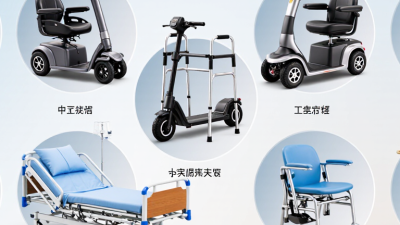
Product Scope: Wheelchairs, Walkers, Ramps, and 4 Key Equipment Categories

China Best Handicap Equipment Suppliers for Global Buyers

Product Scope: Wheelchairs, Walkers, Ramps, and 4 Key Equipment Categories

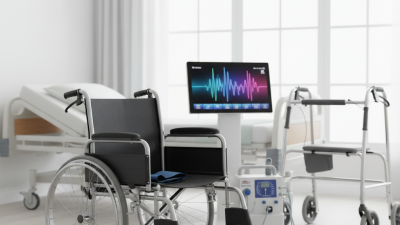
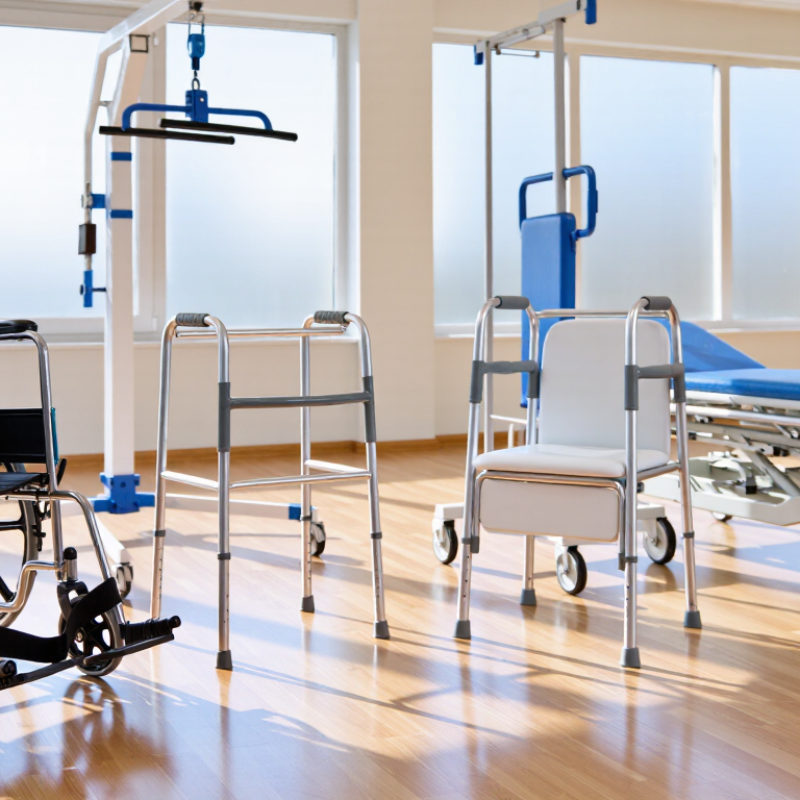
Global buyers need more than attractive catalogs when sourcing handicap equipment from China. They need consistent specifications, clear testing records, and practical support after delivery. Wheelchairs should match user weight, seat width, cushion needs, and intended terrain. Folding frames save storage space, while solid tires reduce maintenance concerns. Ask suppliers for braking tests, frame materials, load ratings, and replacement-part availability.

Walkers form the second category. Adjustable height, stable rubber tips, and comfortable handgrips directly affect daily confidence.

Ramps are the third category. Ramps are the third category, requiring accurate length, safe surface texture, edge protection, and verified weight capacity. A short ramp may look convenient, but it can create an uncomfortable incline. Measure the doorway, threshold, and available landing area before ordering.

The fourth category includes transfer benches, shower chairs, commode aids, and bed-assistance equipment. These products support safer movement in private spaces. Check corrosion resistance, cleaning access, seat stability, and user height compatibility.

Experienced suppliers should provide drawings, inspection samples, packing details, and traceable quality records. They should also explain how products perform in humid warehouses or uneven homes.

No product fits every user. That point is easy to overlook.

Trial feedback may reveal uncomfortable handles, weak casters, or confusing instructions. A careful sourcing process leaves room for correction before large-scale purchasing.

Supplier Standards: ISO 13485, CE, FDA, and 2022 WHO Safety Guidance

Global buyers need more than a low quotation when sourcing handicap equipment. A reliable supplier should show a working quality system, not only framed certificates. ISO 13485 indicates controlled processes for medical devices, including design records, supplier checks, traceability, and corrective action. Ask to see the certificate scope and expiration date. Check the factory address too. Details matter.

For products entering Europe, CE marking should be supported by applicable conformity documents, risk evaluation, technical files, and post-market procedures. In the United States, FDA obligations can vary by product classification. Registration alone does not always mean clearance or approval. This distinction is often missed. Suppliers should explain it plainly. The 2022 WHO safety guidance also encourages attention to user fit, stability, materials, testing, instructions, and maintenance. During evaluation, buyers can inspect wheel locks, seat seams, battery protection, and load labels. Request sample testing and complaint records. A strong supplier accepts questions and documents changes. We have learned that paperwork may look complete while a handle still feels loose. That weakness needs correction, not excuses. Independent inspection can reduce surprises before shipment, especially for equipment used by older adults or people with limited mobility. Keep communication written, measurable, and linked to the delivered model.

China Best Handicap Equipment Suppliers for Global Buyers - Supplier Standards: ISO 13485, CE, FDA, and 2022 WHO Safety Guidance

Evaluation Dimension Applicable Standard or Guidance What Global Buyers Should Verify Relevant Equipment Examples Supplier Evidence Recommended Status
Quality management system ISO 13485:2016 Confirm that the certificate covers the relevant medical-device activities, sites, product categories, and certificate validity period. Wheelchairs, walking aids, patient lifts, transfer equipment, pressure-relief products Current certificate, certification-body details, scope statement, audit status, and manufacturing-site address Required for medical-device suppliers
European market access EU Medical Device Regulation (EU) 2017/745 Check classification, conformity-assessment route, technical documentation, post-market surveillance, and applicable economic-operator responsibilities. Manual wheelchairs, powered mobility devices, hoists, shower or commode chairs EU Declaration of Conformity, CE-marking information, risk-management file summary, and notified-body certificate where required Verify by product and risk class
United States market access U.S. FDA medical-device requirements Determine whether the product requires listing, registration, 510(k) clearance, De Novo authorization, or another applicable pathway. FDA registration alone is not approval or clearance. Powered wheelchairs, mobility scooters, patient-transfer devices, durable medical equipment FDA establishment registration and device listing details, clearance or authorization number where applicable, labeling, and U.S. importer information Confirm regulatory pathway
WHO-aligned safety and user-centered provision WHO disability and assistive-technology safety principles reflected in 2022 global guidance Assess suitability, safe fitting, user training, maintenance, repair access, informed choice, and continuity of support. WHO guidance does not replace national regulatory approval. Wheelchairs, walkers, crutches, seating systems, transfer aids User-assessment procedure, fitting records, instruction manuals, maintenance schedule, training materials, and service network information Essential for safe deployment
Risk management ISO 14971:2019 Verify that foreseeable misuse, tipping, braking, entrapment, fall, battery, charging, and transport risks have been assessed and controlled. Powered mobility devices, ramps, lifts, adjustable beds, transfer systems Risk-management summary, hazard analysis, corrective-action records, and safety test reports Strongly recommended
Electrical and battery safety Applicable IEC, ISO, transport, and national electrical requirements Check charger compatibility, battery protection, ingress protection, electromagnetic compatibility, overheating controls, and shipping classification. Powered wheelchairs, mobility scooters, stair lifts, adjustable beds Electrical test reports, EMC results, battery specifications, charger instructions, UN 38.3 documentation where applicable Required for powered products
Mechanical strength and stability Applicable product-specific wheelchair, walker, lift, or seating standards Review static-load, fatigue, braking, tipping, restraint, and durability tests using the declared maximum user weight. Manual wheelchairs, walkers, crutches, hoists, ramps, shower chairs Independent laboratory reports, test methods, sample configuration, load rating, and production-change controls Required before approval
Biocompatibility and skin protection ISO 10993 series, where patient-contact materials apply Identify skin-contact duration and materials; evaluate irritation, sensitization, cytotoxicity, and cleaning-agent compatibility as applicable. Cushions, positioning supports, mattresses, harnesses, seating systems Material declarations, biocompatibility assessment, cleaning instructions, flammability data, and pressure-management information Assess according to contact type
Labeling and instructions Destination-market labeling and usability requirements Ensure warnings, contraindications, residual risks, assembly, charging, cleaning, storage, maintenance, and emergency procedures are clear and translated. All handicap and assistive-mobility equipment Controlled user manual, packaging artwork, multilingual labels, symbols, revision history, and translation review records Required before shipment
Traceability and post-market surveillance ISO 13485 controls and destination-market vigilance requirements Confirm lot or serial-number tracking, complaint handling, recall procedures, corrective actions, and notification responsibilities. Powered devices, lifting equipment, seating systems, safety-critical accessories Serial-number format, complaint log template, recall workflow, service records, and corrective-action procedure Required for long-term supply
After-sales service and spare parts WHO-aligned continuity-of-care and assistive-technology service principles Evaluate warranty terms, technician training, spare-parts availability, repair turnaround, preventive maintenance, and local support arrangements. Wheelchairs, mobility scooters, patient lifts, adjustable beds, ramps Service-level agreement, spare-parts list, warranty policy, maintenance schedule, training certificates, and escalation contacts Key supplier-selection criterion

Note: Certification, conformity, and market-access requirements depend on the specific device, intended use, risk classification, and destination country. Buyers should independently verify current certificates and regulatory records before purchase.

Factory Evaluation: MOQ, 99.7% Product Quality, Capacity, and Audit Records

China Best Handicap Equipment Suppliers for Global Buyers

Factory evaluation should begin with evidence, not attractive samples. The WHO and UNICEF Global Report on Assistive Technology (2022) estimates that over 2.5 billion people need assistive products worldwide. Demand is rising, so purchasing errors can affect many users. Ask for the factory’s legal registration, product drawings, test methods, and recent audit records. Check whether records identify production dates, inspectors, failed batches, and corrective actions.

MOQ should match your market test. A low MOQ is useful, but it may indicate outsourced production or unstable purchasing. Review monthly capacity, peak-season output, staffing, machine lists, and lead-time history. Capacity claims need supporting documents. A production video is not enough. Request shipment records with sensitive information removed.

Treat a 99.7% quality rate carefully. It should show the inspection sample size, defect definition, sampling standard, and calculation period. For example, 997 acceptable units from 1,000 inspected units is not the same as 99.7% across 100,000 units. ISO 13485-based procedures can strengthen traceability, but certification alone cannot prove daily performance. Audit the warehouse, not only the showroom. Look for carton labels, wheel or frame checks, protective packaging, and quarantine areas. A practical weakness remains: many suppliers report pass rates without publishing denominator data. That gap deserves written clarification before payment terms are agreed.

Buyer Comparison: Lead Times, Warranty Terms, 3-Year Service, and Total Cost

When comparing handicap equipment suppliers, lead time deserves more than a calendar estimate. Ask for production slots, inspection dates, and shipping assumptions. A quoted 30 days may exclude port handling or custom fittings. Request a written timeline with responsible contacts. In one procurement review, a two-week delay disrupted an accessible vehicle conversion schedule. The cheaper offer was not cheaper then. Keep evidence.

Warranty wording matters more than duration. Check which parts are covered, who pays freight, and how faults are diagnosed. A three-year warranty may exclude batteries, upholstery, or installation errors. Ask for response times, replacement procedures, and local technician coverage. Three-year service should include maintenance intervals, training, and parts availability. Get these promises in the contract, not a sales email. We once overlooked software updates. That gap created avoidable downtime. Small omission, real cost.

Compare total cost over three years, not only the purchase price. Include freight, customs handling, installation, training, spare parts, inspections, and possible downtime. Use one spreadsheet with identical assumptions for every supplier. Record delivery risks separately. No spreadsheet captures every risk. My early comparisons underestimated technician travel costs. That mistake changed the final ranking. A reliable supplier should explain exclusions clearly, provide service records, and support realistic budgeting. Don’t accept vague promises. Ask for dates, prices, and named responsibilities.

We use cookies to ensure that we give you the best experience on our website.