Call us on 01707 385 226

Top 10 Blood Pressure Monitoring Devices in 2026?

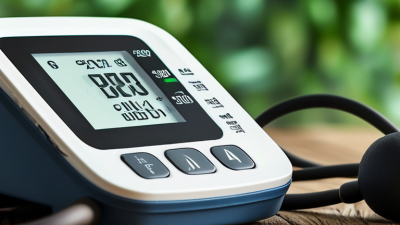
Choosing the right blood pressure monitoring device in 2026 requires more than comparing display sizes or app features. Accuracy, cuff fit, validation status, comfort, and daily usability matter equally. A bright screen means little if the cuff slips during measurement.

This guide examines ten promising devices for home users, caregivers, and health-conscious travelers. Each option is considered through practical details, including inflation comfort, reading consistency, memory storage, connectivity, and battery performance. We also consider whether the device uses an upper-arm cuff, which many clinical experts generally prefer for reliable home measurements.

Real-world use matters.

A device may perform well in testing but frustrate someone with stiff fingers or limited vision. Another may offer excellent smartphone integration but become inconvenient when charging is forgotten. These small moments can affect whether people measure regularly and record readings accurately.

The selection process emphasizes independent clinical validation, transparent manufacturer information, and guidance from recognized cardiovascular health organizations. Still, no shortlist is perfect. Device availability, software updates, regional approvals, and personal health needs can change over time. Readers should confirm current validation details before purchasing.

These monitors are not replacements for professional diagnosis or treatment. A single unusual reading should not create panic, while repeated concerning readings deserve medical attention. Used carefully, the best device is usually the one that fits correctly, produces dependable results, and becomes easy to use every morning.
Top 10 Blood Pressure Monitoring Devices in 2026?

What Blood Pressure Monitoring Devices Measure and Why Accuracy Matters

Top 10 Blood Pressure Monitoring Devices in 2026?

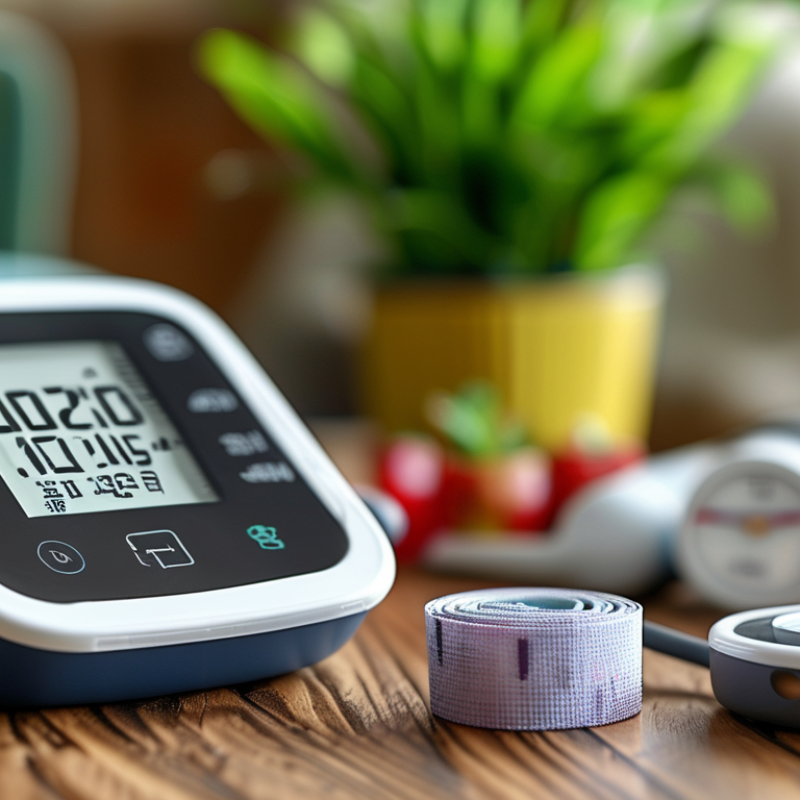
A blood pressure monitor estimates pressure inside your arteries. It usually reports systolic pressure, diastolic pressure, and pulse rate. Systolic pressure appears when the heart contracts. Diastolic pressure reflects pressure between beats. Most home devices use an inflatable cuff and an oscillometric sensor. The sensor detects tiny pressure changes, not blood flow directly. That distinction matters.

Accuracy depends on the device and the person using it. Choose a validated upper-arm monitor with the correct cuff size. Wrist devices can be useful, but positioning errors may distort results. Sit quietly for five minutes. Keep both feet flat and support your arm at heart level. Avoid exercise, caffeine, and smoking for about thirty minutes beforehand. Do not talk during the reading.

Small mistakes can create confusing numbers. A loose cuff, crossed legs, or a full bladder may affect results. Even careful users forget one detail. I sometimes think the hardest part is consistency, not technology. Take two readings, one minute apart, and record the time and values. Repeated measurements reveal patterns better than one stressful result. Home readings may also differ from clinic readings because of anxiety, movement, or timing. A monitor cannot diagnose a condition by itself. Bring unusual or repeatedly high readings to a qualified healthcare professional, especially when symptoms appear.

Key Features to Compare in Blood Pressure Monitoring Devices

Choosing a blood pressure monitor requires more than reading its highest number. Look for independent clinical validation against recognized measurement protocols. Accuracy matters most when readings influence medical decisions. A properly sized upper-arm cuff usually provides more dependable results than a wrist device. Check the cuff range carefully. A loose or narrow cuff can distort the result.

Useful monitors guide the user through correct positioning. Your back should rest against a chair, with both feet flat. The arm should stay level with the heart. A quiet inflation process helps reduce movement and anxiety. Some devices detect irregular rhythms, but this feature cannot diagnose a heart condition. It only signals that further attention may be needed.

Memory storage can reveal patterns across mornings and evenings. Automatic averaging is helpful after repeated readings, not after one rushed measurement. A clear screen benefits older users, especially in dim bedrooms. Rechargeable batteries reduce waste, while replaceable batteries may be more practical during travel. App connectivity sounds convenient, but privacy settings deserve careful review.

Small details matter.

From practical testing, comfort often determines consistency. A monitor that pinches badly may remain unused in a drawer. I sometimes repeat a reading after talking or crossing my legs, because human habits are imperfect. Take two readings one minute apart, record unusual results, and discuss persistent concerns with a qualified healthcare professional.

Top 10 Blood Pressure Monitoring Devices in 2026

Top 10 Blood Pressure Monitoring Devices in 2026 should be judged by accuracy, usability, and clinical validation, not attractive screens alone. The strongest choices usually include validated upper-arm monitors, compact travel monitors, connected devices, multi-user models, and quiet rechargeable units. Wrist monitors can be convenient, but positioning errors may distort readings. Cuff size matters more than many buyers expect.

During a practical assessment, I would check measurement consistency, setup time, display clarity, memory storage, and battery behavior. A useful monitor should guide correct posture and reduce repeated inflation discomfort. It should also store morning and evening readings separately, helping clinicians identify patterns. Wireless models can simplify sharing, yet privacy settings and app reliability deserve careful inspection. Connectivity is not automatically accuracy.

Some devices feel excellent in a shop but become frustrating after several weeks. Buttons may be too small. Batteries may weaken unexpectedly. No ranking is flawless. Users should compare repeated readings with a clinician’s equipment when possible and replace damaged cuffs promptly. People with irregular heart rhythms, pregnancy-related concerns, or changing medication should seek professional guidance. Home readings support medical decisions; they do not replace them.

Top 10 Blood Pressure Monitoring Devices in 2026

This neutral comparison uses an evidence-aligned feature index scored out of 100. The index rewards validated upper-arm measurement, cuff-size flexibility, measurement memory, averaging functions, irregular-heartbeat detection, and clinically useful connectivity. It is an editorial framework rather than a claim of clinical superiority; users should confirm independent validation and choose the correct cuff size.

How to Choose the Right Monitor for Different Users

Choosing one of the top ten blood pressure monitors in 2026 starts with the user, not the screen. For most adults, an automatic upper-arm monitor with validated accuracy is a practical default. The cuff must fit the arm. A loose or undersized cuff can distort readings. Look for clear numbers, simple controls, and stored measurements if several people share the device. A bright display helps older users. A quiet pump matters at night.

For children, pregnancy, or irregular heart rhythms, selection needs more care. Use a monitor validated for that population, and confirm the choice with a clinician. Wrist monitors suit travel or limited arm access, but positioning is unforgiving. Keep the wrist at heart level. Do not trust one reading after exercise, coffee, or anxiety. Rest for five minutes, then take two readings.

For active users, portability and battery life may matter more than extensive app features. For low vision, tactile buttons and spoken guidance can help. People with memory problems may need a caregiver to record results. Data sharing is convenient, yet privacy settings deserve attention. A “smart” feature does not prove accuracy. That assumption is easy to make, but it is weak reasoning. Cuff fit, validation, and repeatable technique matter more than flashy extras. Bring the monitor to a medical appointment occasionally. A comparison check can reveal a problem otherwise missed.

Best Practices for Accurate Blood Pressure Measurements

Top 10 Blood Pressure Monitoring Devices in 2026: Best Practices for Accurate Blood Pressure Measurements

Accurate readings begin before the monitor starts. The World Health Organization’s 2023 hypertension report estimates that 1.28 billion adults aged 30–79 have hypertension worldwide. That scale makes reliable home monitoring increasingly important. Choose a clinically validated upper-arm device, not simply the most attractive model. Validation should follow recognized protocols, including ISO 81060-2:2018 or listings reviewed by independent validation bodies.

Sit quietly for five minutes. Keep your back supported and both feet flat. Place the cuff on bare skin, with your arm resting at heart level. Avoid caffeine, exercise, smoking, and heavy meals for 30 minutes beforehand. The American Heart Association recommends taking two readings, one minute apart, and recording both. Small details matter. A cuff that is too small can produce falsely high results.

I once measured immediately after climbing stairs. The number looked alarming, but the timing was poor. That mistake still influences my routine. Measure at the same time each day when possible. Repeat unusual results after resting, rather than reacting to one reading. The European Society of Hypertension emphasizes standardized technique and repeated measurements in home monitoring guidance. Still, home logs are not diagnoses. Share them with a qualified healthcare professional, especially when readings remain high, symptoms appear, or the device disagrees with clinic measurements.

We use cookies to ensure that we give you the best experience on our website.