What is Oxygen Equipment and How is it Used?
Oxygen equipment plays a critical role in various medical settings. Reports indicate that approximately 1.5 million Americans rely on oxygen therapy annually. This therapy is vital for patients with chronic respiratory conditions, such as COPD and asthma. Oxygen equipment enhances quality of life and supports vital functions.
Understanding oxygen equipment is essential for both healthcare providers and patients. This equipment includes oxygen tanks, concentrators, and delivery systems. Each type serves a unique purpose in delivering oxygen to those in need. Despite their benefits, improper use can lead to complications. Training is necessary to avoid mishaps.
In recent years, the market for oxygen equipment has surged. Analysts predict steady growth driven by increasing respiratory disorders. This trend highlights the importance of innovation in oxygen technology. However, the industry must also address potential safety concerns. Balancing access and safety remains a challenge for healthcare professionals and manufacturers.
What is Oxygen Equipment?
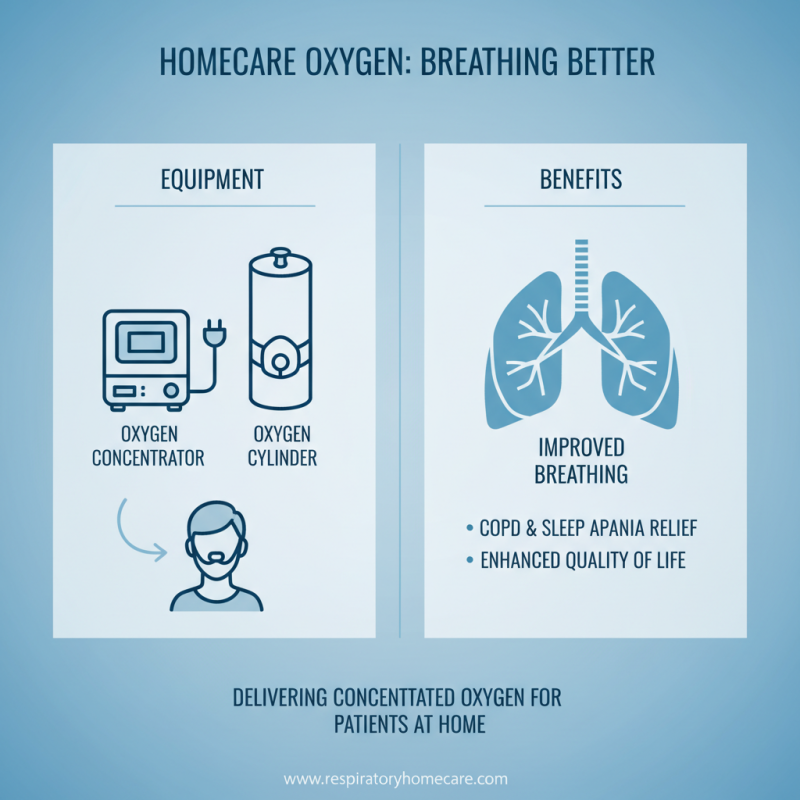
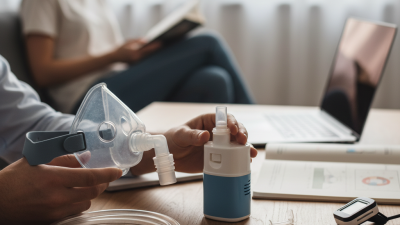
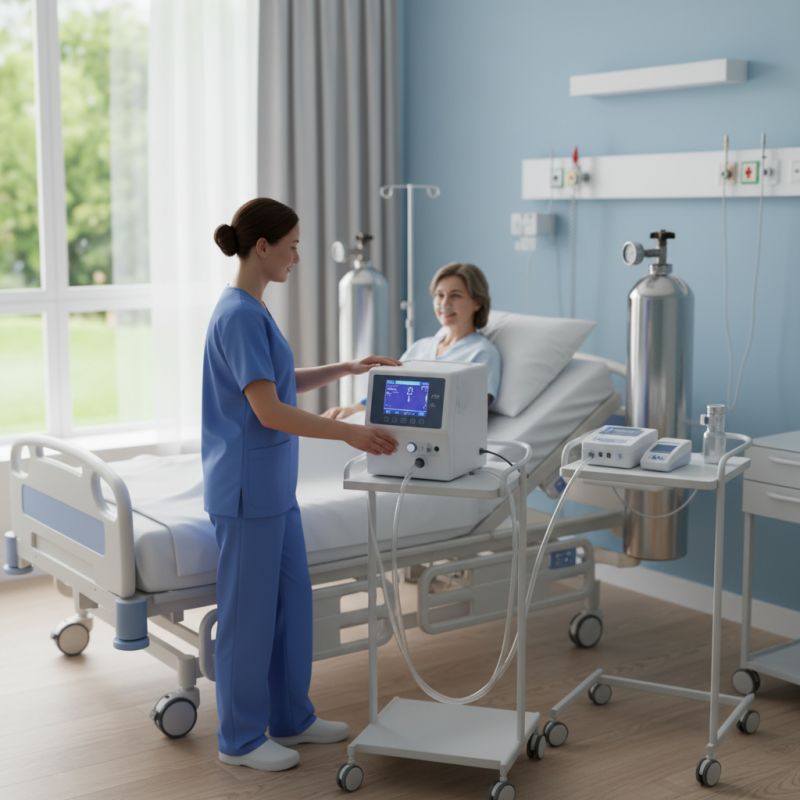
Oxygen equipment refers to devices that provide supplemental oxygen. It is critical for individuals with respiratory issues. This equipment helps increase oxygen levels in the blood. Many people use it at home, in hospitals, or during travel.
There are various types of oxygen equipment. Continuous flow devices provide a steady stream of oxygen. Pulse dose systems release oxygen in bursts. Both types cater to different needs and activities. Users must know their oxygen requirements. Mistakes in usage can lead to problems. Not everyone uses the equipment correctly.
Tips: Always check that your equipment is functioning well. Regular maintenance is vital for safety. Don’t hesitate to ask healthcare providers for guidance. They can help tailor your oxygen therapy. Awareness of your specific needs is essential for effective treatment. Remember, each user's experience may vary. Understanding your equipment takes time and practice.
Oxygen Equipment Usage by Type (2023)
Types of Oxygen Equipment Available on the Market
Oxygen equipment plays a crucial role in various fields, especially in healthcare. The market offers a range of oxygen delivery systems tailored to different needs.
Portable oxygen concentrators, for instance, have gained popularity for their convenience. These devices allow patients to move freely while receiving the oxygen they need.
According to a recent industry report, the portable oxygen concentrator market is projected to grow by 10% annually over the next five years.
Another category includes stationary oxygen concentrators. These devices are designed for home use, providing a continuous oxygen supply
and are typically larger and more powerful than portable versions. Health professionals often prefer them for chronic respiratory conditions.
Though effective, they require a power source, limiting mobility. Reports indicate that home care segments are expected to expand significantly,
highlighting the increasing need for stationary equipment.
Liquid oxygen systems also represent an important type of oxygen equipment. They store oxygen in liquid form, making it more compact.
However, handling these systems can be challenging for some patients. A survey found that 25% of users expressed concerns about maintenance.
As the demand for effective oxygen solutions grows, the industry must address these user experiences.
Improved education and training can enhance satisfaction and safety.
How Oxygen Equipment is Used in Medical Settings
In medical settings, oxygen equipment plays a crucial role in patient care. It is used primarily to ensure adequate oxygen levels for those with respiratory issues. According to a report from the World Health Organization, nearly 235 million people worldwide suffer from asthma and may require supplemental oxygen. Hospitals often equip patients with oxygen concentrators or tanks. These devices focus on delivering precise oxygen levels directly to the patient.
Patients undergoing surgeries or those in intensive care units frequently receive oxygen. In fact, studies show that about 65% of ICU patients receive supplemental oxygen at some point during their stay. However, not all medical professionals fully understand how to monitor oxygen levels effectively. This gap can lead to complications. The potential for errors, such as providing excess oxygen, must be addressed.
Oxygen equipment is also vital in home care settings. Many patients rely on portable oxygen devices to maintain their quality of life. Yet, these devices can malfunction. Misuse or lack of proper training can lead to dangerous situations. Consistent training and education on usage and maintenance are essential for caregivers.
What is Oxygen Equipment and How is it Used? - How Oxygen Equipment is Used in Medical Settings
| Equipment Type |
Usage |
Indications |
Oxygen Flow Rate |
Setting |
| Oxygen Concentrator |
Provides continuous oxygen supply |
Chronic Obstructive Pulmonary Disease (COPD) |
1-10 L/min |
Home use |
| Oxygen Cylinder |
Portable oxygen therapy |
Emergency situations |
Variable (depends on device) |
Hospital and field |
| Ventilator |
Mechanical assistance for breathing |
Respiratory failure |
Controlled, variable |
ICU and emergency |
| Nasal Cannula |
Delivers oxygen directly through nostrils |
Hypoxemia |
1-6 L/min |
Outpatient, home |
| Face Mask |
Administers higher concentrations of oxygen |
Acute respiratory distress |
5-10 L/min |
Hospital or emergency units |
Safety Considerations and Maintenance for Oxygen Equipment
Oxygen equipment plays a vital role in medical settings and home care. However, safety considerations are crucial for its effective use. Proper training is necessary. Users must understand how to operate the equipment safely. This ensures the well-being of both patients and caregivers.
When handling oxygen equipment, keep it away from heat sources. Avoid smoking nearby. Oxygen supports combustion, making fire risks higher. Regular checks are essential. Inspect hoses and connections for wear. This can prevent leaks, which can be dangerous.
Tips: Always use a proper storage container. Store oxygen cylinders upright. Secure them with straps to prevent tipping. Be mindful of cylinder pressure levels. Low-pressure indicators need immediate attention. Misjudging levels can lead to panic during emergency situations. Safe handling ultimately saves lives.