Call us on 01707 385 226

10 Essential Tips for Effective Blood Pressure Monitoring Techniques

Monitoring blood pressure is crucial for maintaining cardiovascular health. Effective blood pressure monitoring can help detect issues early. Understanding the techniques involved can lead to improved accuracy and reliability in readings.

Many individuals struggle with proper blood pressure monitoring. They may not know how to prepare or position themselves correctly. Small mistakes can lead to inaccurate results. It’s essential to create a calm environment before taking a measurement. Also, familiarity with the equipment is important.

Incorporating these ten essential tips into your routine can enhance your blood pressure monitoring. You may feel overwhelmed by the process at first. However, gaining confidence will come with practice. These insights not only promote accuracy but also empower you in managing health better.
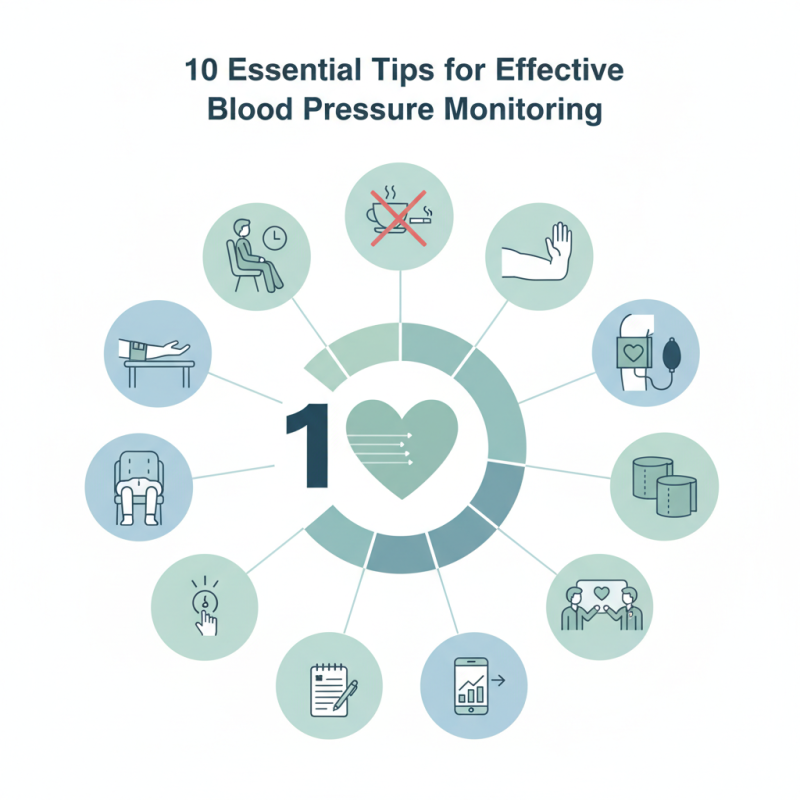
10 Essential Tips for Effective Blood Pressure Monitoring Techniques

Understanding Blood Pressure: Key Terminology and Measurements
10 Essential Tips for Effective Blood Pressure Monitoring Techniques

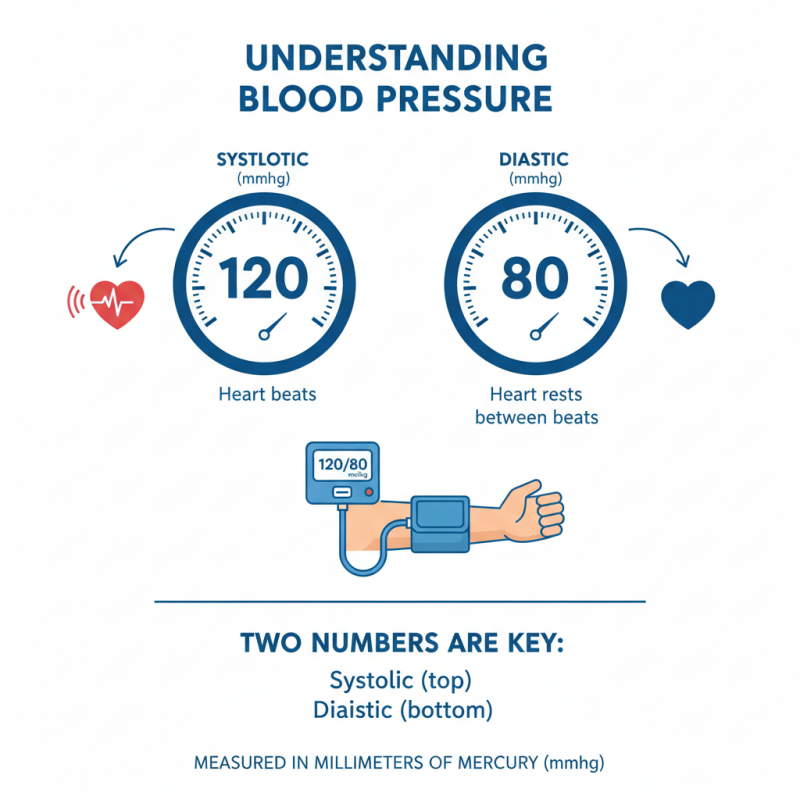
Understanding blood pressure involves grasping key terms and measurements. Blood pressure is expressed in millimeters of mercury (mmHg). It has two numbers: systolic and diastolic. The systolic pressure measures the force when the heart beats. Diastolic pressure measures the force when the heart is at rest between beats.

According to the American Heart Association, normal blood pressure is below 120/80 mmHg. Hypertension is diagnosed when blood pressure readings are consistently at or above 130/80 mmHg. These numbers matter. They guide treatment decisions. Yet, many people fail to monitor correctly. Misinterpretation can lead to unnecessary anxiety or relaxed attitudes.

Knowing how to measure blood pressure properly is crucial. It involves resting for five minutes before taking a reading. The cuff should fit snugly on the upper arm. A poorly fitted cuff can yield incorrect readings. Many ignore these details. They might rush through the process, leading to inconsistent results. Reports suggest up to 30% of people obtain inaccurate readings due to improper technique. Understanding these nuances is essential for effective monitoring.
Importance of Time and Frequency in Blood Pressure Monitoring

Monitoring blood pressure is crucial for maintaining heart health. The timing and frequency of these readings play a significant role in their accuracy. Many people overlook this aspect, leading to unreliable results. It's essential to measure blood pressure at the same time each day. This creates a baseline for comparison and allows for better tracking of changes.

Regular monitoring is key, too. Aim for at least two readings a day. Morning and evening sessions can reveal fluctuations that may indicate underlying issues. However, make sure you're relaxed before taking a reading. Stress or recent exercise can skew results.

Consider also the conditions under which you measure. A quiet environment is ideal. Caffeine or smoking before a reading can elevate your numbers. Reflect on your habits and adjust as needed. Consistency in timing and technique will improve understanding of your blood pressure health. Remember, small changes can lead to significant insights.

Proper Equipment: Choosing the Right Blood Pressure Monitor

Choosing the right blood pressure monitor is crucial for accurate readings. A study by the American Heart Association states that nearly 50% of adults have hypertension, highlighting the need for effective monitoring. With this in mind, selecting a device that works for you becomes paramount.

Look for monitors that are validated for accuracy. The British Hypertension Society provides a list of devices that meet their criteria. Many people make mistakes by using monitors that are not properly calibrated. Ensure your device fits your arm or wrist correctly. An ill-fitting monitor can lead to misleading results and unnecessary anxiety.

Digital monitors tend to be the most user-friendly, but some may struggle with the technology. In contrast, manual monitors offer precision, yet they require practice. Furthermore, users may over-rely on their devices without understanding proper usage. If your readings seem inconsistent, take a moment to verify your technique. Reflect on your environment; stress or movement can distort your results.

Techniques for Accurate Readings: Positioning and Cuff Placement

10 Essential Tips for Effective Blood Pressure Monitoring Techniques

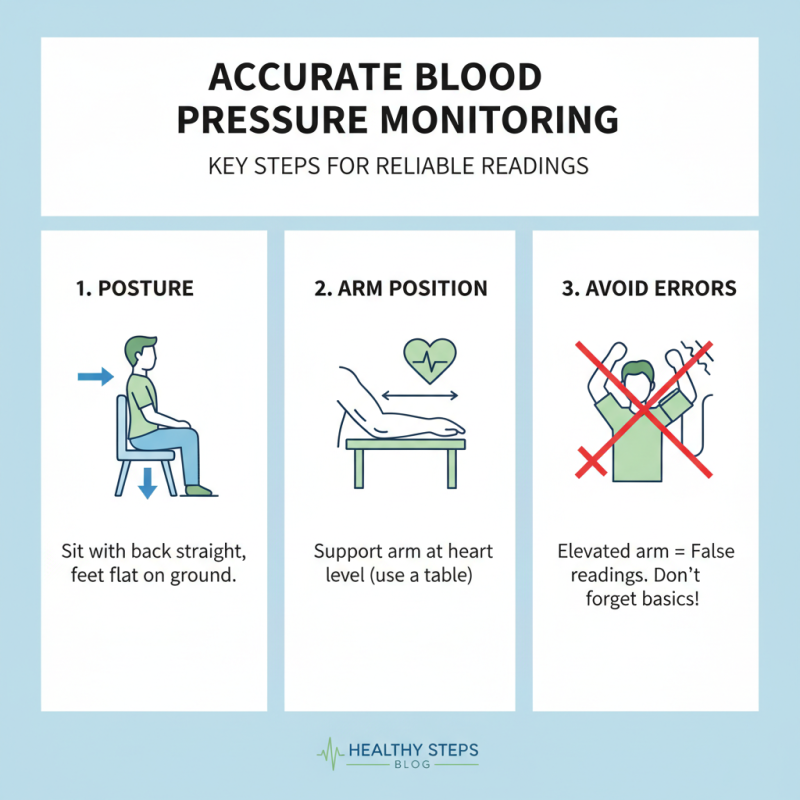
When monitoring blood pressure, proper positioning is key. Sit in a chair with your back straight and feet flat on the ground. Keep your arm at heart level. Using a table helps; if your arm is elevated, readings may not be accurate. Sometimes, people forget these basics, leading to false results.

Cuff placement also plays a significant role. Place the cuff on bare skin, not over clothing. It should be snug but not too tight. Many people underestimate this; they often think a loose fit is acceptable. This misconception can skew readings. A misaligned cuff can result in surprisingly high or low numbers.

Lastly, take a few moments to relax before measuring. Anxiety can spike blood pressure temporarily. If you feel rushed, the results may mislead you. Patience is crucial. Don’t hesitate to reassess if something feels off. Prioritizing correct techniques will lead to better health monitoring outcomes.

Recognizing and Interpreting Common Errors in Blood Pressure Readings

Monitoring blood pressure is crucial for health. Yet, common errors can lead to misleading readings. Recognizing these mistakes is essential for accurate monitoring.

One frequent mistake is not sitting properly during readings. A straight posture, with arms supported, helps ensure accuracy. Another error is using the wrong cuff size. An improperly fitted cuff can result in a significant difference in readings. Ensure the cuff is appropriate for your arm size.

Consistency is also key. Always measure blood pressure at the same time each day. Stress before a reading can affect results. Take a few deep breaths before measuring. This small step can make a big difference. Remember, your technique matters. Each reading reflects your current state, so pay attention to these details. Mistakes can happen, but learning from them improves accuracy.

10 Essential Tips for Effective Blood Pressure Monitoring Techniques - Recognizing and Interpreting Common Errors in Blood Pressure Readings

Tip Description Common Errors
1. Use the Correct Cuff Size Choose a cuff that fits your arm size to ensure accurate readings. Using a cuff that is too small or too large can lead to inaccurate results.
2. Sit Comfortably Sit in a comfortable position with your back supported and feet flat on the ground. Poor posture can affect blood flow and lead to erroneous readings.
3. Keep Arm at Heart Level Raise your arm to the level of your heart when taking a measurement. Holding the arm too high or too low can skew results.
4. Avoid Caffeine and Smoke Refrain from caffeine or smoking for at least 30 minutes prior to measuring. Stimulants can elevate blood pressure temporarily.
5. Measure at Consistent Times Take measurements at the same times each day for consistency. Measuring at random times can lead to misleading averages.
6. Use a Reliable Device Ensure your blood pressure monitor is validated and calibrated. Using faulty equipment can result in extreme inaccuracies.
7. Record Your Readings Keep a log of your measurements to track changes over time. Failing to document can lead to a loss of important health data.
8. Take Multiple Readings Measure blood pressure two to three times for accuracy. Single readings can be misleading due to temporary fluctuations.
9. Relax Before Measuring Sit quietly for 5 minutes prior to measurement to stabilize readings. Anxiety or exertion can artificially raise blood pressure.
10. Communicate with Your Doctor Share your readings with healthcare providers for better management. Not discussing results can hinder effective treatment.

We use cookies to ensure that we give you the best experience on our website.