10 Essential Tips for Choosing the Right Handicap Supplies for Your Needs
Choosing the right handicap supplies can greatly impact daily life. These supplies, designed to aid mobility and enhance comfort, vary widely in quality and functionality. Individuals must consider their unique needs and preferences when selecting the right products.
When shopping for handicap supplies, it’s essential to think about specific requirements. For example, someone with limited mobility may need a wheelchair that fits their lifestyle. Others might benefit from aids like walking canes or grab bars. Prioritizing comfort is crucial, as using the wrong supply can lead to frustration or injuries.
It’s also important to reflect on personal experiences. Sometimes, the most popular brands don’t necessarily meet individual needs. Trying various options might lead to discovering what works best. Thus, thoughtful selection of handicap supplies is not just about functionality; it’s about improving quality of life.
The Importance of Assessing Individual Needs for Handicap Supplies
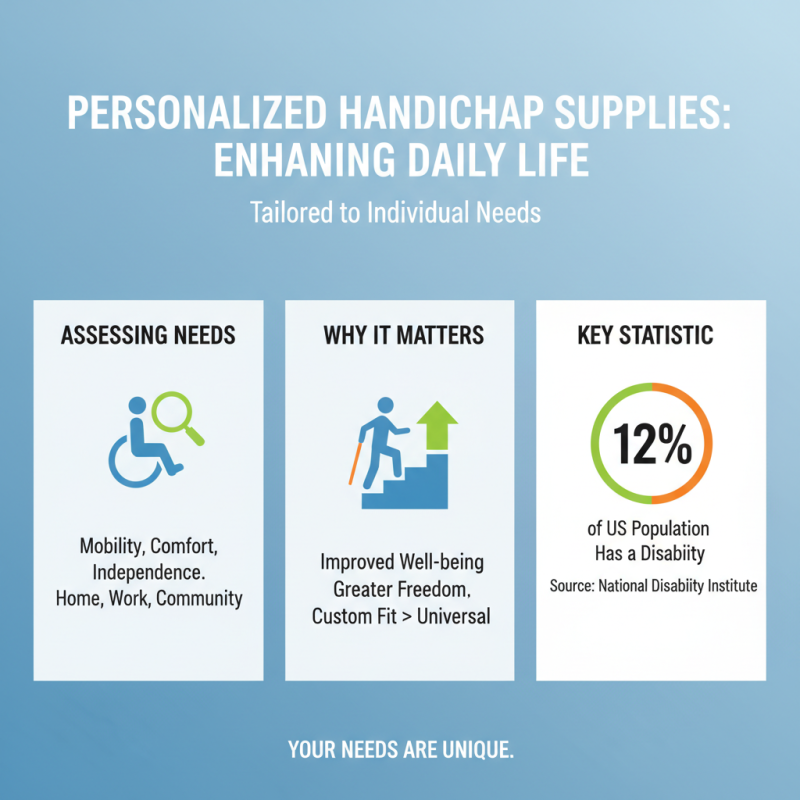
Choosing the right handicap supplies is crucial. Assessing individual needs helps ensure these supplies enhance daily life. According to a study by the National Disability Institute, nearly 12% of the U.S. population lives with a disability. Each person's requirements differ. Therefore, a one-size-fits-all approach may not work.
Tip: Reflect on daily tasks. Identify which activities pose challenges. This process clarifies what supplies might be needed. For instance, someone who struggles with mobility may benefit from grab bars or a walker. In contrast, a person with communication difficulties might require speech devices.
Evaluating these specific needs allows for better decisions. A survey by the World Health Organization found that 86% of users felt their supplies improved their quality of life. However, many still report dissatisfaction, often due to poor assessment of needs.
Tip: Consult professionals when needed. A rehabilitation specialist can offer tailored advice. They ensure that the selected supplies fit both your physical condition and lifestyle. Finding the right products can be a journey of trial and reflection. What works for someone else might not work for you.
Understanding Different Types of Handicap Supplies Available in the Market
Choosing the right handicap supplies requires understanding the variety of options available. There are mobility aids, bath safety products, and daily living aids, each serving distinct needs. According to a report from the National Institute on Disability, about 19% of adults in the U.S. live with some form of disability. This statistic highlights the importance of selecting the appropriate supplies for individual circumstances.
Mobility aids include wheelchairs, walkers, and scooters. Each product varies in design and function. For instance, a lightweight wheelchair may be ideal for someone seeking portability. However, a heavier model offers more stability. Bath safety products, such as grab bars and shower chairs, address commonly overlooked safety issues in regular routines. A survey indicated that 63% of older adults experience falls in bathrooms, underscoring the need for effective safety solutions.
Daily living aids, like dressing sticks or adaptive utensils, help maintain independence. Many choose these tools, but not all find them beneficial. It’s crucial to assess personal comfort and usability. Some users report frustrations with specific products, leading to the need for reflection on what truly fits their lifestyle. This evaluation process is essential for anyone navigating the vast market of handicap supplies.
Evaluating Materials and Durability of Handicap Products for Longevity
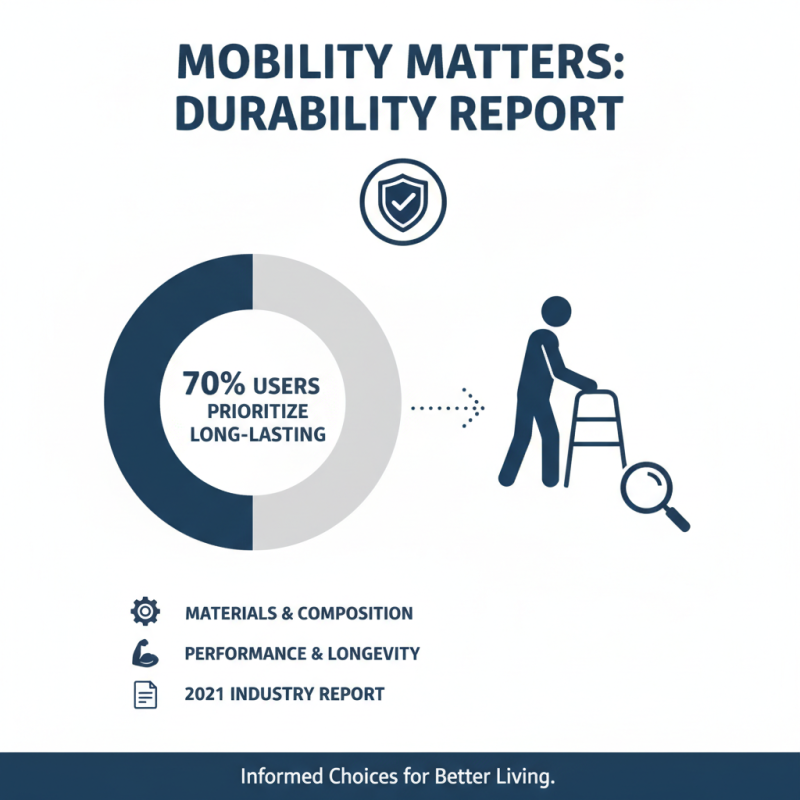
Choosing the right handicap supplies can be a daunting task. The materials and durability of these products significantly affect their performance and longevity. A 2021 industry report highlighted that about 70% of users prioritize long-lasting materials when selecting mobility aids. This statistic underscores the importance of evaluating the composition of any product before purchase.
When exploring handicap supplies, look for materials like aluminum or high-strength plastics. These materials often provide greater support without excessive weight. However, not all aluminum products are created equal. Some might corrode easily or lack reinforcement. A thorough examination is essential. It’s also useful to check if the product has undergone rigorous testing standards, which can indicate its reliability.
Moreover, comfort should not be overlooked. A durable product may not mean much if it causes discomfort. For instance, a user might experience chafing or discomfort with well-made, yet poorly designed handles. Reports indicate that almost 40% of users report dissatisfaction due to inadequate ergonomic design. Longevity demands that form meets function. Consider products that allow for easy adjustments and replacements to extend usability. This balance is crucial in ensuring that your handicap supplies support your needs effectively over time.
Considering Price vs. Quality: Making Budget-Friendly Choices
When selecting handicap supplies, price versus quality is often debated. Budget-friendly options are tempting but can lead to regret. A low price might mean using inferior materials. This can affect comfort and durability. Always inspect the product closely. Feel the material and assess its build. If it seems flimsy, it probably is.
Investing a little more can save you from future headaches. Quality supplies often come with better warranties. You may find a higher initial cost pays off long-term. Research online reviews and feedback. While personal experiences vary, patterns often emerge. Sometimes, popular items lack the necessary support for individual needs. Be cautious of flashy marketing. Too often, this distracts from the actual performance. Take your time assessing different options, even if it feels overwhelming. Remember that making informed choices is a journey, not a race.
Seeking Expert Recommendations and Reviews in Handicap Supply Selection
Selecting the right handicap supplies can be challenging. Expert recommendations can guide you through this process. When seeking advice, look for trusted sources, such as healthcare professionals and user reviews. They can provide insights based on experience. Sometimes, online reviews may not reflect actual usage. Always approach them with caution.
Consulting with occupational therapists can be beneficial. They evaluate your needs and suggest appropriate products. Personal recommendations from family or friends, that have similar experiences, can also help. Do not hesitate to ask questions. Each person's needs are unique, and what works for one may not work for another.
Try to take your time when exploring options. Visit stores to physically examine the supplies. Touching and testing can give a sense of comfort and usability. Online shopping can be convenient, but it lacks this tactile experience. Stay open to different types of products, even if they seem unfamiliar. This process requires thought and reflection. You may find what you originally thought wouldn’t work actually suits you well.
10 Essential Tips for Choosing the Right Handicap Supplies for Your Needs
| Tip Number |
Tip |
Description |
Expert Recommendation |
| 1 |
Assess Your Needs |
Identify the specific challenges you face to determine the right supplies. |
Consult with a healthcare professional for guidance. |
| 2 |
Research Products |
Look for products that have been well-reviewed and recommended by experts. |
Check online reviews and expert comparison websites. |
| 3 |
Budget Considerations |
Set a budget that works for you without sacrificing quality. |
Look for sales or funding options that assist with costs. |
| 4 |
Test Items |
Where possible, test equipment for comfort and usability before purchasing. |
Visit local supply stores or ask about trial periods. |
| 5 |
Consider Durability |
Choose supplies that are durable and can withstand daily use. |
Look for products with warranty options. |
| 6 |
Ease of Use |
Select supplies that are easy to operate based on your physical abilities. |
Seek recommendations for user-friendly products. |
| 7 |
Portability |
If you travel frequently, consider the weight and size of the equipment. |
Look for lightweight and compact options. |
| 8 |
Seek Specialized Advice |
Consult with specialists who have experience in your specific needs. |
Engage with occupational therapists or physiotherapists. |
| 9 |
Read Labels |
Ensure that you understand what each product is designed for and its limitations. |
Double-check safety guidelines and product instructions. |
| 10 |
Follow Up |
After purchasing, check if the products meet your needs and make adjustments if necessary. |
Consider connecting with user groups for ongoing support and feedback. |