Top Surgical Items You Need in Your Medical Kit?
When preparing for medical emergencies, having the right surgical items in your kit is essential. These tools can make a significant difference in patient care. However, many overlook the critical nature of these supplies. A comprehensive medical kit should include instruments for various procedures. This ensures that healthcare professionals are ready for anything.
Choosing surgical items involves careful consideration. Each tool must be selected for its purpose and reliability. For instance, a scalpel, forceps, and scissors are fundamental to any surgical kit. Yet, some practitioners may forget to include essential supplies like sutures or clamps. This can lead to complications during procedures. Reflecting on past experiences emphasizes the need for a well-rounded selection of items.
In summary, organizing your medical kit with the right surgical items ultimately enhances patient outcomes. However, it requires ongoing evaluation and a commitment to improvement. Regularly assessing what you have and what you need is vital. After all, every detail matters in saving lives.
Essential Surgical Instruments for Every Medical Kit
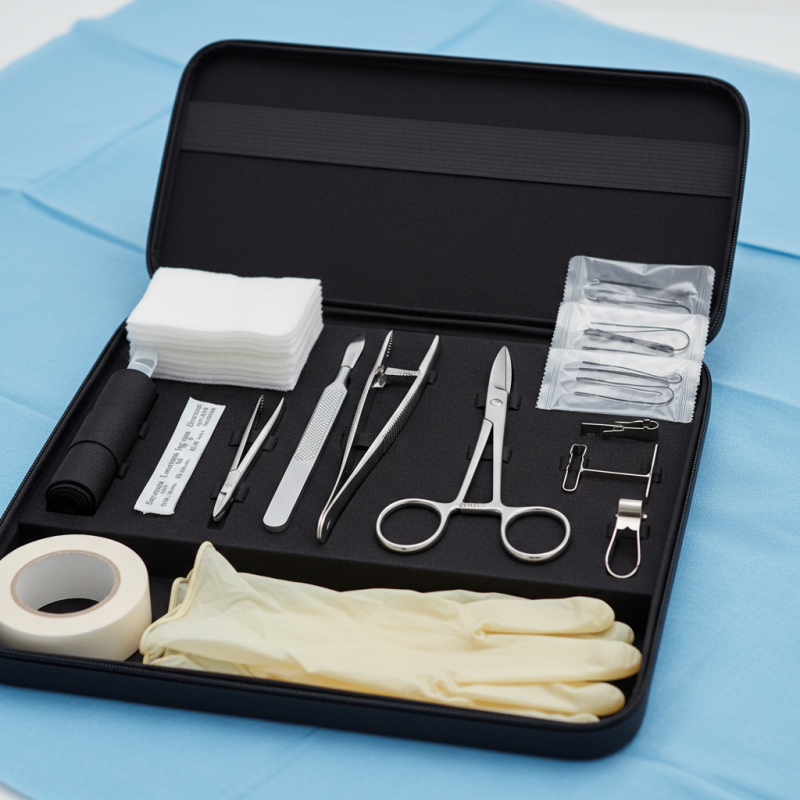
Every medical kit should include essential surgical instruments. Scalpel blades are vital. They allow for precise incisions during procedures. A sturdy handle is necessary for control. Scissors are another must-have. They come in various types, each serving a unique purpose. Whether for cutting sutures or fabric, having different scissors is essential.
Forceps are equally important. They help grasp tissues or hold dressings in place. A good pair can make a crucial difference during surgery. Tweezers can be useful for small, delicate tasks. They assist with removing foreign objects or handling tiny sutures. Don't overlook hemostatic clamps. These instruments are vital for controlling bleeding.
It's crucial to evaluate your kit regularly. Instruments may become dull or damaged over time. Discard or replace them as needed. Keeping the kit organized ensures quick access during emergencies. Remember, the effectiveness of surgical instruments relies on their condition and cleanliness. Each time you use them, consider their performance. There's always room for improvement.
Top Surgical Instruments in Your Medical Kit
Importance of Sterilization and Maintenance of Surgical Tools
Sterilization is crucial for surgical tools. Improperly cleaned instruments can lead to infections. According to the World Health Organization, surgical site infections account for up to 15% of all hospital-acquired infections. These infections increase both patient morbidity and treatment costs significantly.
All surgical items, from scalpels to retractors, must be sterilized after every use. Autoclaving is a common method. It uses steam under pressure to eliminate all microbial life. However, inadequate sterilization can happen due to swift cleaning processes or faulty equipment. A recent study highlighted that 20% of surgical tools were not properly sterilized in some medical facilities.
Maintenance is equally important. Regular inspections ensure that tools remain functional and safe. Dull blades or corroded instruments can't perform well. This negligence can endanger patient safety. Yet, many healthcare facilities overlook this aspect. In a survey, nearly 30% of hospitals reported inconsistent maintenance practices. This inconsistency raises concerns about the overall quality of surgical care.
Guidelines for Organizing Your Medical Kit Effectively
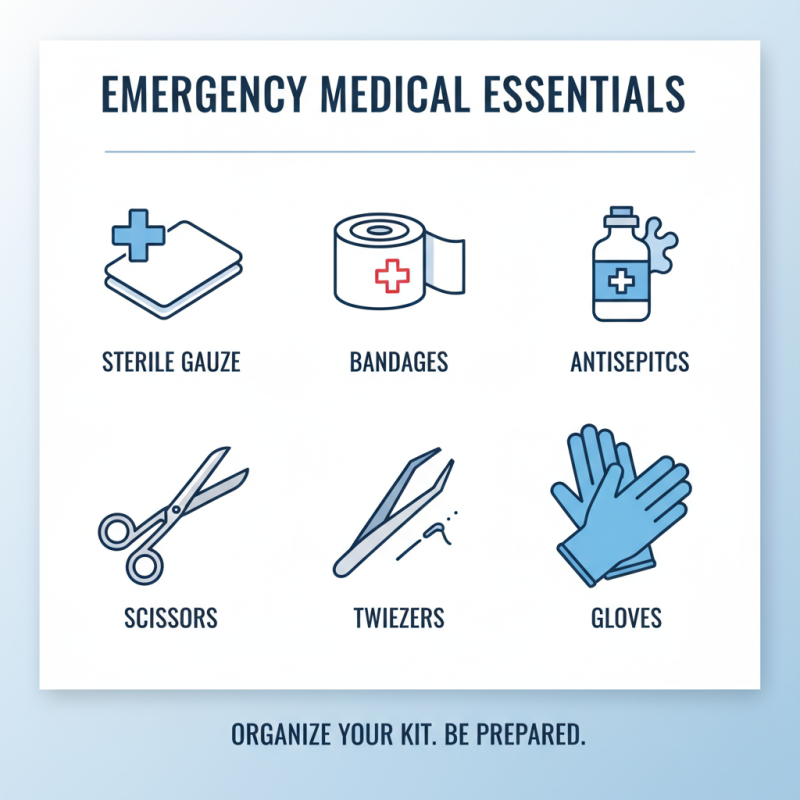
When organizing your medical kit, focus on essentials. Start with surgical items that are crucial for emergency situations. Include sterile gauze, bandages, and antiseptics. A good pair of scissors, tweezers, and gloves are vital, too. These tools allow you to perform basic procedures safely and efficiently.
Consider the layout of your kit. Keep frequently used items at the top or in an easily accessible section. Categorize supplies by type: dressings, tools, and medications. Use clear containers to store small items, preventing clutter. Regularly check for expired items and replenish your stock.
However, perfection is elusive. You may forget items or overpack certain supplies while underestimating others. Reflect on what you actually use in practice. This will help you refine your organization and ensure your medical kit is truly effective when you need it most.
Additional Items to Enhance Surgical Procedures
When it comes to enhancing surgical procedures, certain additional items can make a significant difference. Studies show that the right tools can reduce complications by up to 30%. For instance, high-quality hemostatic agents can control bleeding more effectively. This reduces operation time and improves patient outcomes.
Tips: Always assess the procedural needs before gathering additional items. Each surgery has its unique requirements.
Surgical drapes are another essential item. They help minimize infection risks during procedures. Research indicates that proper draping techniques lower contamination rates significantly. Additionally, portable suction devices can keep the surgical field clear, allowing for better visibility.
Tips: Consider training on using new items effectively. Familiarity can greatly enhance their benefits during actual procedures.
Incorporating advanced imaging tools can also elevate the performance of procedures. These tools facilitate precise targeting and can improve surgery accuracy. However, be cautious as not all facilities can handle sophisticated equipment seamlessly. Regular evaluations can help identify gaps in usability and training needs.
Recommended Brands and Suppliers for Quality Surgical Equipment
Building a comprehensive surgical kit is essential for medical professionals. Selecting the right items can significantly influence outcomes. When it comes to quality surgical equipment, ensuring that you choose reliable suppliers is crucial. Many reputable companies specialize in manufacturing high-quality tools. Researching different options can help identify those that stand out.
Tips: Make a list of your essential surgical items. This will guide your purchasing decisions. Regularly check for updates on equipment standards. It's important to adapt to new technologies. Not all suppliers meet the same quality standards. Be cautious when choosing where to buy.
Surgical instruments can vary widely in quality. Some may wear out faster than you expect. Testing different brands can show you which lasts the longest. Remember that cost does not always equate to quality. Sometimes, cheaper options may perform just as well. Always seek reviews and feedback from colleagues before making decisions.