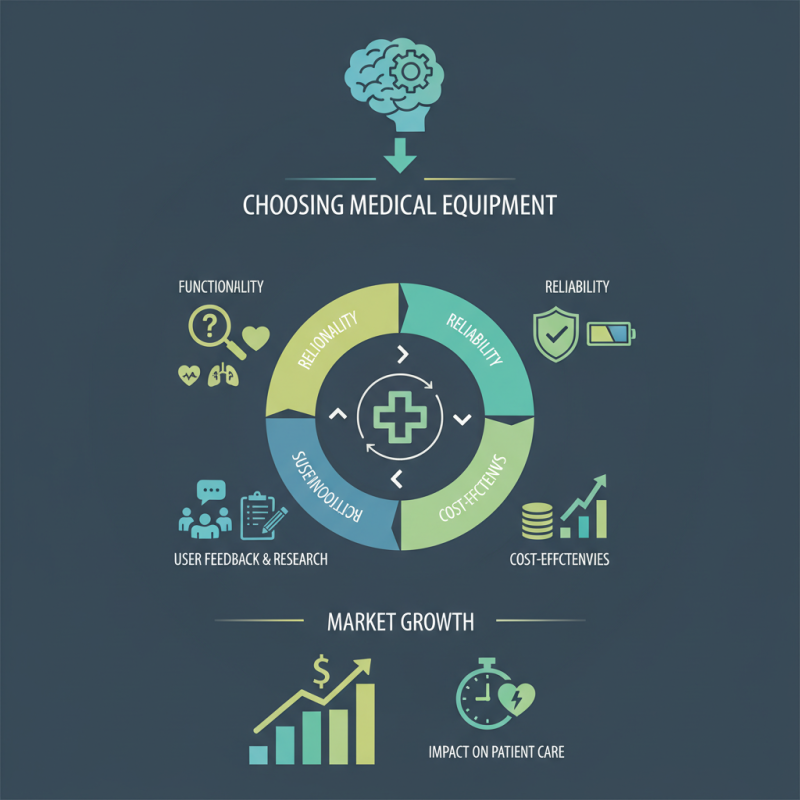
Choosing the right medical equipment can significantly impact patient care and clinical outcomes. According to a recent report from MarketsandMarkets, the global medical equipment market is expected to reach $600 billion by 2025. This rapid growth highlights the importance of selecting appropriate tools tailored to specific healthcare needs.
Dr. Sarah Mitchell, a renowned expert in medical technology, emphasizes, "Investing in the right medical equipment is crucial; it can save lives." However, many healthcare facilities struggle with decision-making. With numerous options available, practitioners must consider factors such as functionality, reliability, and cost-effectiveness.
It's not easy to find the perfect solution. Some equipment may look promising but fail to meet real-world needs. Feedback from end-users often reveals issues overlooked during the purchasing phase. Thus, thorough research and evaluation are essential when navigating the complexities of the medical equipment landscape.
Choosing the right medical equipment starts with understanding your specific needs. Are you managing a chronic illness or recovering from surgery? Personalized assessments are crucial. According to the World Health Organization, over 40% of people with chronic conditions need specialized equipment. This highlights the importance of tailored solutions.
Tip: List your daily activities. Identify which equipment can enhance your quality of life. Engage with healthcare professionals for recommendations tailored to your lifestyle.
Next, evaluate your space and budget. Not every device fits all environments. Research shows that 30% of unused medical equipment is due to improper fit or size. Consider whether the equipment is portable or requires a dedicated space at home.
Tip: Explore options that allow for future changes in your health. Flexibility can prevent costly replacements later. Ask questions about maintenance and durability, too. It’s essential to reflect on long-term functionality rather than initial appeal.
When selecting medical equipment, understanding the types available is crucial. Medical equipment varies widely from simple tools to complex devices. There are diagnostic tools, like blood pressure monitors, and therapeutic equipment, such as ventilators. Each type serves a unique purpose, making it essential to choose wisely.
One must also consider durability and ease of use. Equipment that is complex may require training. On the other hand, essential items should be straightforward. For example, basic first aid kits need to be user-friendly. It's important to reflect on how equipment fits into daily routines. A well-chosen item can improve both efficiency and safety.
The decision-making process is not always clear-cut. Individuals often feel overwhelmed by options. Assessing specific needs is vital, but many overlook this step. Consider the training required as well. Equipment should fit within the skill level of the user. This ultimately affects the quality of care provided.
| Type of Equipment | Description | Common Uses | Considerations |
|---|---|---|---|
| Infusion Pumps | Devices that deliver fluids, such as medications or nutrients, into a patient's body. | Chemotherapy, pain management, hydration therapy. | Accuracy of dosage, ease of use, maintenance requirements. |
| Ultrasound Machines | Imaging devices that use sound waves to visualize internal body structures. | Prenatal scans, abdominal examinations, cardiac imaging. | Image quality, portability, operation training. |
| X-ray Machines | Equipment that uses X-rays to create images of the inside of the body. | Bone fractures, dental assessments, chest examinations. | Radiation exposure, image clarity, cost of maintenance. |
| Electrocardiogram (ECG) Machines | Devices that record the electrical activity of the heart. | Cardiac monitoring, detection of arrhythmias, and heart conditions. | User interface, data interpretation, portability. |
| Patient Monitors | Devices that track vital signs such as heart rate, blood pressure, and oxygen levels. | Intensive care, surgical monitoring, general health tracking. | Display clarity, alarm settings, data storage capabilities. |
When evaluating medical equipment, quality and safety standards are crucial. According to the World Health Organization, more than 30% of medical devices may not meet the required safety guidelines. This raises concerns about patient safety. Many hospitals face challenges in ensuring compliance with these standards. Regular audits may help, but they often reveal gaps in training or understanding.
Look for certifications from recognized authorities. Devices that have been evaluated by independent organizations tend to foster greater trust. In a report published by the FDA, about 20% of reported incidents were linked to devices lacking proper certification. It indicates that buying equipment without proper validation can be risky.
It’s also important to assess the equipment's user-friendliness. Complicated devices may lead to improper usage. A survey showed that one in four healthcare professionals feels untrained on new equipment. This can lead to significant errors. Regular training sessions should become a norm, but many facilities overlook this need. Balancing quality, safety, and usability is vital for effective medical care.
This chart compares different types of medical equipment based on quality and safety ratings. The data represents average ratings on a scale from 1 to 10, reflecting user satisfaction and compliance with safety standards.
Budgeting for medical equipment can be tricky. You have to weigh quality against price. Some equipment is essential, while other items may just be nice to have. It's vital to list your needs clearly before you begin shopping. This will help you avoid unnecessary purchases that don't fit your goals.
Consider options like renting or buying used equipment. Both can save money but may sometimes come with risks. For instance, used items might lack warranties or have hidden damage. Evaluating long-term costs can also be beneficial. Maintenance and repair costs can add up over time, impacting your overall budget.
Keep an eye on emergency funds. You might find yourself needing unexpected repairs or replacements. Flexible budgeting can help accommodate these surprises. Spend time researching costs and comparing different types of equipment. This can reveal hidden opportunities for savings. Don't rush; it's worth taking the time to make informed decisions.
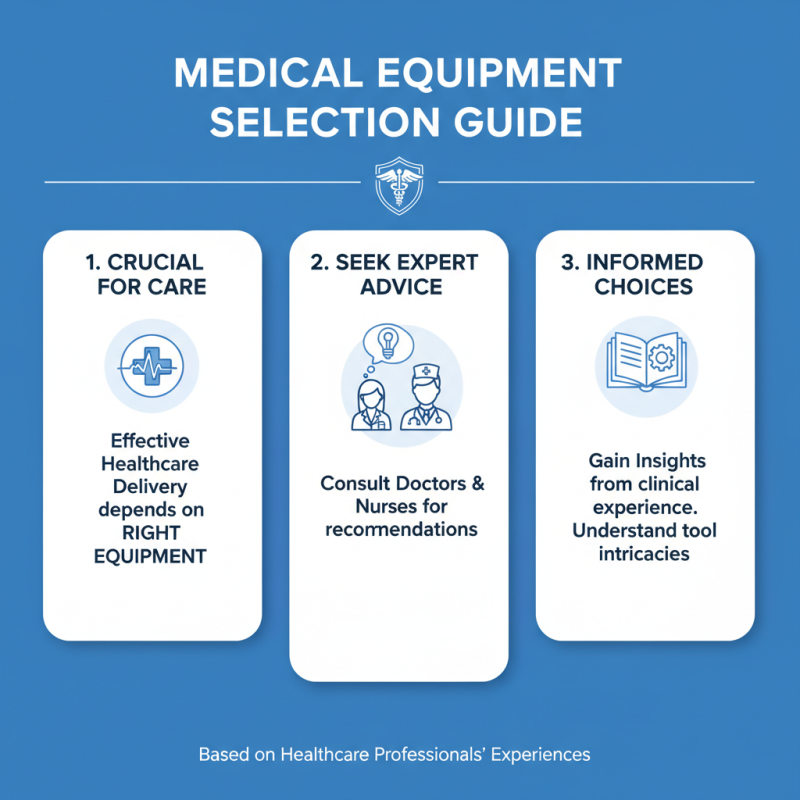
Choosing the right medical equipment is crucial for effective healthcare delivery. Seeking recommendations from healthcare professionals can provide valuable insights. Doctors and nurses understand the intricacies of various tools and can guide you based on their experiences.
Tips: Always ask specific questions when consulting with experts. Inquire about performance, reliability, and ease of use. Don’t hesitate to discuss your needs openly. Recognize that not every recommendation will suit your situation perfectly. Equipment that works well for one might not be ideal for another.
Engaging with specialists can help you avoid common pitfalls. It is beneficial to gather multiple opinions. Some professionals may have preferences that stem from personal experience rather than data. This is where critical thinking comes into play. Analyze their advice against your unique requirements.
Building a solid understanding of your needs is also vital. Consider maintenance, training requirements, and long-term usability. Sometimes, what seems like a perfect fit at first glance may require further reflection. Prioritize your requirements and always keep an open dialogue with healthcare experts to ensure the best outcomes.
© 2025 Henleys Medical Supplies | Website Cookies & Privacy Policy | Company Privacy Notice | Terms of Sale | Cancellation & Returns | Company Reg No. 452882 | Vat No. GB229 2540 68 | Web design by Cariad Marketing