The medical devices industry in China has seen remarkable growth in recent years. According to a report by Grand View Research, the global medical devices market is projected to reach $600 billion by 2024. China's contribution is significant, driven by a rising demand for advanced healthcare solutions. In 2023, China’s medical device market was valued at approximately $76 billion, showcasing its rapid expansion and innovation in technology.
Chinese manufacturers are gaining attention from global buyers due to their competitive pricing and advanced capabilities. Companies like Mindray and Siemens Healthineers lead in sectors such as imaging and monitoring. These firms emphasize quality and adherence to international standards. However, there is still skepticism about the consistency of product quality. Global buyers must navigate these challenges carefully when considering partnerships with Chinese brands.
Understanding the nuances of the Chinese medical device landscape is crucial. While opportunities abound, some products may not meet varying international regulations. Such inconsistencies can lead to costly complications. Therefore, thorough research and due diligence are vital for buyers seeking reliable medical devices. Being informed will enhance decision-making and foster successful long-term relationships in this evolving market.
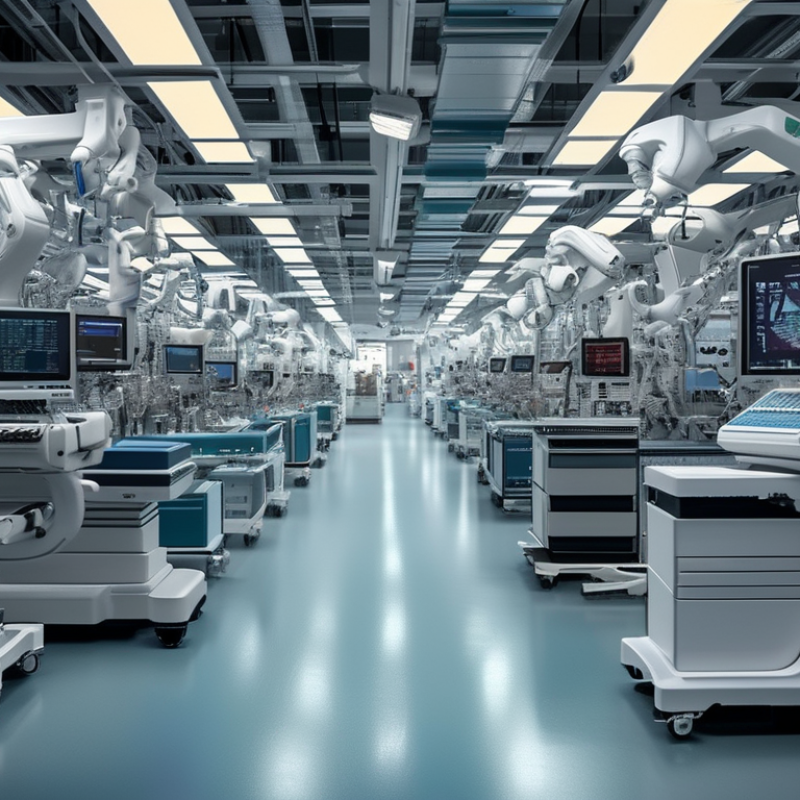
China is rapidly establishing itself as a major player in the global medical device market. With advanced manufacturing capabilities, the country is producing a diverse range of medical devices. This includes diagnostic equipment, surgical instruments, and wearable health technology. China’s innovation in these areas is attracting global buyers. However, it is crucial to stay informed about quality standards and regulations that differ across borders.
Understanding Chinese suppliers can create opportunities for international partnerships. Buyers should conduct thorough research on potential manufacturers. Evaluating their certifications is essential. Check for compliance with international quality standards, such as ISO certifications. This helps ensure that the products meet safety and efficacy requirements.
When sourcing medical devices from China, consider the complexities involved. Language barriers can lead to misunderstandings. Effective communication is vital for successful negotiations. Additionally, building strong relationships with suppliers can lead to better quality assurance. Visit factories if possible. This firsthand experience helps in assessing operational standards and practices.
China has emerged as a leading hub for medical devices, showcasing a variety of products that are gaining attention globally. The country manufactures a wide spectrum of devices, from surgical instruments to diagnostic equipment. According to a report by the China Medical Devices Industry Association, the market value for China's medical devices reached approximately $73 billion in 2022, indicating significant growth potential.
Among the notable categories are imaging equipment and orthopedic devices. Innovations in imaging technology, such as portable ultrasound machines, reflect advancements in both functionality and affordability. These devices are crucial, especially in remote areas where traditional imaging solutions may not be accessible. Similarly, the orthopedic segment has seen a rise in 3D-printed implants, providing custom solutions for patients and reducing surgical time.
However, challenges remain. Quality standards and regulatory hurdles can hinder global acceptance. Compliance with international norms is vital for manufacturers aiming to break into markets like Europe and the U.S. Continuous investment in R&D will be necessary to enhance product reliability and safety. Engaging with local experts and stakeholders can help bridge these gaps, ensuring that China's innovations meet global demands and expectations.
China has established itself as a key player in the global medical device market, accounting for approximately 15% of the world's medical device exports in recent years. As per the latest reports, the country exported medical devices worth over $48 billion in 2022. This steady rise positions China among the leading exporters of medical technologies.
Chinese medical device companies are navigating a complex landscape as they seek opportunities abroad. The global market presents both challenges and avenues for growth. Regulations differ significantly from one country to another. Companies must adapt their products to meet local standards. Language and cultural barriers can hinder effective communication as well. Moreover, trust is crucial in healthcare. International buyers seek reliable products backed by proven efficacy.
To succeed overseas, Chinese companies must prioritize quality and innovation. Building partnerships with local firms can enhance credibility. Understanding local market needs is vital for product development. However, many firms still struggle with these aspects. Insufficient market research leads to misaligned offerings. This gap illustrates a need for continuous improvement in global strategies.
The path to international success is not straightforward. Companies face fierce competition from established players. Yet, innovative designs and cost-effective solutions can attract attention. Emphasizing safety and performance will bolster consumer confidence. As the industry evolves, companies must reflect on their practices and be open to change. This adaptability will be key in making a mark on the global stage.
| Device Type | Key Features | Target Markets | Regulatory Challenges | Market Opportunities |
|---|---|---|---|---|
| Diagnostic Equipment | High accuracy, portable, user-friendly interface | North America, Europe, Southeast Asia | FDA and CE certifications required | Growing demand for telemedicine and home diagnostics |
| Surgical Instruments | High precision, stainless steel, ergonomic design | Middle East, Latin America, Africa | Local manufacturing regulations | Increase in surgical procedures and minimally invasive surgeries |
| Imaging Devices | Advanced imaging technology, AI integration | Europe, Asia-Pacific, North America | Compliance with international standards | Growing preference for early disease detection |
| Wearable Devices | Real-time health monitoring, Bluetooth connectivity | Global markets, especially tech-savvy regions | Data privacy and security regulations | Health consciousness and active lifestyle trends |
| Rehabilitation Equipment | Customizable, user-friendly, integration with therapy | Europe, North America, Asia | Insurance and reimbursement issues | Increased prevalence of chronic conditions |
When exploring Chinese medical devices, international buyers must navigate complex regulations. The landscape varies significantly depending on specific countries and device types. Understanding these regulations is crucial for a successful purchase experience.
The first step is to familiarize yourself with China’s Food and Drug Administration (CFDA) guidelines. The CFDA regulates the quality and safety of medical devices. Knowing the registration process can prevent delays. It is important to review which devices require clinical trials prior to export. This knowledge can save you time and money.
Tip for buyers: Always request documentation to confirm compliance with international standards. This step can help ensure that products meet safety requirements.
Another challenge lies in the language barrier. Many regulatory documents may not be available in English. This can lead to misunderstandings about important details. Engaging a local expert can mitigate such risks.
Consider the reliability of suppliers as well. Verify certifications and track records. There is a wide range of quality among manufacturers. Some devices may not hold up under rigorous regulatory scrutiny. Be cautious and thorough in your evaluation process.
© 2025 Henleys Medical Supplies | Website Cookies & Privacy Policy | Company Privacy Notice | Terms of Sale | Cancellation & Returns | Company Reg No. 452882 | Vat No. GB229 2540 68 | Web design by Cariad Marketing