
Call us on 01707 385 226

China Best Blood Transfusion Machines Manufacturers

China’s medical-device sector is becoming an important source of Blood Transfusion Machines for hospitals, blood centers, and emergency departments. Manufacturers now compete on more than price. They must demonstrate stable flow control, accurate volume measurement, secure tubing connections, and dependable alarm systems. A busy transfusion room reveals the difference. Nurses need clear screens, quiet motors, and alerts that remain visible under pressure. Small design details can protect a patient.

Dr. Harvey G. Klein, a respected transfusion-medicine authority, has often emphasized, “The safest blood is blood that is not transfused.” This principle reminds manufacturers that equipment supports clinical judgment. Blood Transfusion Machines should reduce avoidable errors, not encourage unnecessary transfusion. Features such as air detection, occlusion monitoring, controlled warming, and patient identification support safer workflows. However, technology cannot replace trained staff, validated procedures, or careful bedside observation.

Reliable Chinese manufacturers usually provide traceability records, quality-control testing, service training, and documentation aligned with recognized medical-device requirements. Buyers should examine real operating data, not only polished brochures. They should ask how pumps perform with different blood components, temperatures, and flow rates. After-sales support matters too. A machine that stops during a night shift creates serious pressure.

The industry still has room to improve. Some product claims sound stronger than the available evidence. Independent testing and transparent clinical feedback remain essential. This review examines leading China Blood Transfusion Machines manufacturers through product design, manufacturing quality, safety functions, compliance, customization, and service capability. The goal is practical guidance for hospitals seeking equipment that performs consistently when every milliliter matters.
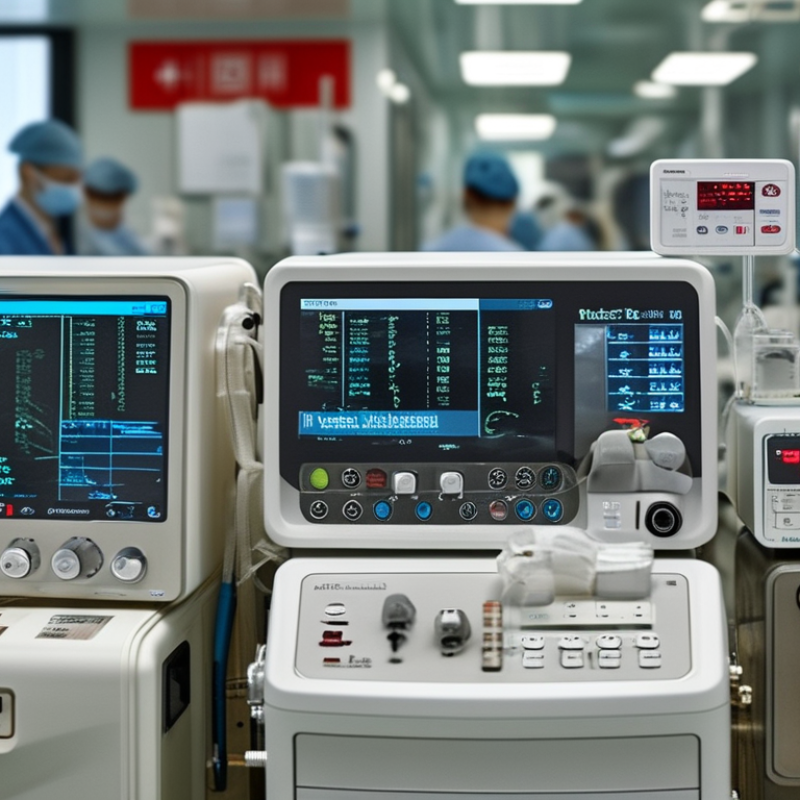
China Best Blood Transfusion Machines Manufacturers

Blood Transfusion Machines: Definition, Functions, and Clinical Applications

Blood Transfusion Machines: Definition, Functions, and Clinical Applications

Blood transfusion machines are medical devices that deliver blood components at a controlled rate. They support safer, more consistent transfusion procedures. Many systems monitor flow, pressure, air bubbles, and abnormal resistance. Some models also warm blood before administration. This can help reduce discomfort during large-volume or rapid transfusions. In clinical practice, nurses still check patient identity, blood compatibility, tubing, and vital signs. A machine supports judgment. It does not replace it.

These devices serve operating rooms, emergency departments, oncology units, and intensive care settings. Pediatric care may require especially accurate low-flow control. Massive transfusion protocols may need rapid delivery and continuous monitoring. Platelets and plasma can also require careful handling. Staff should follow validated hospital procedures and manufacturer instructions. Small setup errors can create serious delays. That reality deserves more attention.

Tips: Inspect the device before use. Confirm the programmed rate and volume. Prime the line correctly. Watch alarms instead of silencing them automatically. Recheck the patient’s condition during transfusion. Keep clear records of settings, observations, and interventions. Training should include realistic scenarios, not only classroom demonstrations. Devices may appear simple, but clinical conditions change quickly. A useful improvement is reviewing near-misses openly, without blaming individuals.

Main Types of Blood Transfusion Machines Manufactured in China

China Best Blood Transfusion Machines Manufacturers

Main Types of Blood Transfusion Machines Manufactured in China

Chinese manufacturers produce several blood transfusion machine types for hospitals, blood centers, and mobile collection units. Blood component separators divide whole blood into plasma, red cells, and platelets. Their sealed centrifuge chambers reduce exposure during processing. In practice, operators still check tubing, balance, and temperature manually.

Blood warming machines heat red-cell components before administration. They help reduce discomfort and temperature-related complications during rapid transfusion. Infusion pumps control flow rates through digital settings, while transfusion monitors track pressure, volume, and occlusion alarms. Some systems combine weighing scales with traceability software. Small details matter.

The World Health Organization reported 118.5 million blood donations globally in 2018. High-income countries collected about 40% of those donations, despite representing only 16% of the world’s population. This gap supports demand for reliable separation and storage equipment in developing healthcare systems. WHO’s Global Status Report on Blood Safety and Availability also emphasizes quality screening, component processing, and cold-chain control. Chinese production increasingly follows these priorities through sensor calibration, disposable fluid paths, and documented quality checks. However, automation is not perfect. Staff training and maintenance can still decide whether a machine performs safely during a busy shift.

China Best Blood Transfusion Machines Manufacturers - Main Types of Blood Transfusion Machines Manufactured in China
Machine Type Primary Function Typical Application Core Operating Principle Common Technical Features Key Quality and Safety Considerations
Blood Collection Mixer Mixes donated blood with anticoagulant during collection to support uniform composition and accurate collection volume. Whole-blood donation centers, mobile blood-collection units, and hospital blood banks. Continuous rocking or gentle agitation of the blood bag while monitoring weight or collection volume. Programmable collection targets, load-cell weighing, visual or audible alarms, adjustable mixing speed, and rechargeable-battery operation on portable models. Accurate weighing, gentle agitation, stable anticoagulant mixing, easy disinfection, and reliable alarm performance.
Blood Tube Sealer Seals PVC blood tubing without opening the sterile fluid path. Blood component processing, donor-room collection, and preparation of satellite bags. Radio-frequency energy heats and fuses compatible thermoplastic tubing, creating a sealed segment that can be separated. Automatic sealing cycles, adjustable tubing compatibility, sealing confirmation, compact benchtop design, and optional sterile-docking functions. Consistent seal strength, validated sealing parameters, prevention of leakage, and compatibility with the tubing material used in blood bags.
Blood Component Extractor Expresses plasma, platelets, or red-cell components from a primary blood bag into satellite bags. Component preparation laboratories and transfusion-service departments. Controlled mechanical pressure is applied to the primary bag while the operator or system guides the separation of components. Adjustable pressure, bag-support platform, component-specific pressing control, and manual or semi-automatic operation. Precise pressure control, smooth bag handling, prevention of tubing kinks, and protection against component contamination or hemolysis.
Blood Component Separator Separates whole blood into red cells, plasma, and buffy-coat or platelet-containing fractions. Blood centers and hospital laboratories processing collected whole blood. Centrifugal separation uses differences in cellular density to divide blood components into layers. Programmable centrifugation profiles, temperature-controlled operation on selected systems, interchangeable buckets, and electronic imbalance monitoring. Validated speed and time control, rotor balance, temperature management, traceability, and careful handling of blood bags.
Automated Blood Component Processing System Automates weighing, clamping, tubing control, and transfer during the preparation of blood components. High-throughput blood centers requiring standardized processing and reduced manual intervention. Integrated sensors, pumps, clamps, and software control the movement of blood components between connected bags. Barcode or data-recording capability, programmable processing protocols, multiple bag connections, pressure monitoring, and process alarms. Closed-system integrity, software validation, accurate sensor calibration, operator training, and complete process records.
Blood Transfusion Pump Delivers blood or blood components at a controlled flow rate during transfusion. Hospitals, operating rooms, intensive-care units, emergency departments, and outpatient infusion areas. Peristaltic or cassette-based pumping moves blood through a compatible transfusion set while monitoring flow conditions. Programmable flow rate, air-in-line detection, occlusion alarms, anti-free-flow protection, battery backup, and compatibility with blood administration sets. Low-shear fluid handling, accurate delivery, prevention of air embolism, appropriate filter use, and compliance with applicable medical-device requirements.
Rapid Infusion and Blood Warmer Warms blood products and infuses them rapidly when large-volume or high-rate transfusion is required. Trauma care, major surgery, obstetrics, emergency medicine, and critical care. Blood passes through a disposable heat-exchange pathway while a pump controls the infusion rate. Temperature monitoring, adjustable flow control, over-temperature protection, bubble detection, and disposable fluid paths. Accurate outlet-temperature control, prevention of overheating, reliable alarms, sterile single-use components, and compatibility with approved blood products.
Blood and Fluid Pressure Infuser Applies external pressure to flexible blood or fluid bags to increase delivery speed. Emergency departments, operating theaters, ambulances, and situations requiring rapid manual infusion. Manual or pneumatic compression raises bag pressure and supports faster flow through the administration set. Pressure gauge, adjustable compression range, quick-release mechanism, transparent bag visibility, and reusable or disposable configurations. Controlled pressure, avoidance of excessive force, secure bag placement, and use with appropriate filters and transfusion tubing.
Electronic Blood Bank Scale Measures and records the weight of blood bags during collection, processing, or dispensing. Donation rooms, blood-component laboratories, and transfusion-service areas. Load-cell technology converts bag weight into a digital measurement and may trigger alarms at preset limits. Tare function, programmable target volume, digital display, data output, audible alarms, and calibration capability. Measurement accuracy, regular calibration, stable platform design, correct density conversion, and traceable records.
Blood Transport and Storage Refrigerator Maintains controlled temperatures for blood components during short-term storage or internal transportation. Hospital blood banks, transfusion laboratories, operating departments, and specimen-transfer routes. Refrigeration or validated thermal insulation maintains the required temperature range for the stored component. Temperature display, continuous monitoring, high/low-temperature alarms, data logging, adjustable compartments, and battery support on transport units. Temperature uniformity, alarm response, validated storage duration, secure handling, and compliance with local blood-storage requirements.

Key Technologies Used by Chinese Blood Transfusion Machine Manufacturers

China Best Blood Transfusion Machines Manufacturers

Key Technologies Used by Chinese Blood Transfusion Machine Manufacturers

Chinese blood transfusion machine manufacturers increasingly combine precise pumping, closed fluid paths, and continuous monitoring. Peristaltic pumps help control flow without directly contacting blood. Air-in-line sensors detect bubbles before they reach the patient. Occlusion alarms identify blocked tubing within seconds. These safeguards matter as global demand grows. The WHO Global Status Report on Blood Safety and Availability 2021 recorded about 118.5 million blood donations worldwide in 2019.

Temperature control is another essential technology. Insulated cabinets, digital probes, and alarm systems help maintain storage conditions during collection and transfer. Many systems also use barcode or RFID identification to reduce manual entry errors. The International Society of Blood Transfusion emphasizes traceability across collection, testing, storage, and administration. Chinese production teams often integrate these functions into compact interfaces for hospitals with limited space.

Small details matter.

However, automation is not a perfect substitute for trained staff. Sensors may require calibration, and false alarms can interrupt a procedure. The WHO estimates that 40% of global blood donations are collected in high-income countries, showing unequal access to advanced infrastructure. Manufacturers should therefore design equipment that remains reliable during voltage changes, cleaning cycles, and heavy daily use. Independent verification, documented maintenance, and clear user training are still necessary. A machine can be technically impressive, yet difficult controls may create new risks. Feedback from nurses and technicians should guide the next revision.

How to Evaluate China’s Best Blood Transfusion Machine Manufacturers

Evaluating China’s best blood transfusion machine manufacturers requires more than comparing prices. Check clinical experience, production controls, and after-sales support. Ask for installation records from hospitals, not only marketing claims. Inspect testing areas, calibration labels, and traceability records. A clean factory helps, but it proves little alone.

The WHO Global Status Report on Blood Safety and Availability 2021 recorded 118.5 million blood donations worldwide in 2019. It also reported that 40% came from high-income countries, which represented only 16% of the global population. This uneven supply increases the need for reliable equipment. Evaluate flow accuracy, occlusion alarms, air detection, heating control, battery endurance, and cleaning procedures. Check compliance with ISO 13485, ISO 14971, and IEC 60601-1. Certification is useful evidence, not final proof.

Tips: Request recent test reports, risk files, user manuals, and complaint data. Ask the manufacturer to demonstrate a transfusion set change and alarm response. Record the actual temperature and flow readings. A common mistake is trusting a certificate without checking its scope. I would also interview technicians who service the machines. Their feedback may reveal delays, spare-part shortages, or confusing screens. No scorecard is perfect. Clinical usability still needs direct observation.

Quality Standards, Certifications, and Export Capabilities in China

China Best Blood Transfusion Machines Manufacturers

Reliable manufacturers must prove quality beyond factory photographs. The WHO Global Status Report on Blood Safety and Availability 2021 recorded 118.5 million blood donations worldwide. This scale increases demand for accurate mixers, monitors, separators, and temperature-controlled equipment.

A capable Chinese manufacturer should operate under ISO 13485 and apply ISO 14971 risk-management methods. Buyers should request valid certificates, test reports, calibration records, and traceable serial numbers. Check the details. A certificate alone does not confirm product performance. During an audit, inspect alarm testing, weighing accuracy, software validation, and maintenance records. Small gaps can become costly problems.

Export readiness also requires market-specific documentation. Manufacturers should provide technical files, declarations of conformity, user manuals, labeling, and shipment records. CE marking may support access to relevant European markets, while other destinations require separate registrations. NMPA compliance supports domestic Chinese sales but does not automatically authorize overseas distribution. Export data can look impressive, yet product-level evidence matters more. Some suppliers still provide incomplete translations or outdated certificates. That deserves careful review. Temperature logs, shock indicators, spare parts, and remote training reveal practical experience. These details often separate a compliant supplier from a dependable one.

We use cookies to ensure that we give you the best experience on our website.