
Buying d-chiro-inositol in bulk requires more than comparing prices on supplier websites. It requires a documented review of identity, purity, manufacturing controls, and delivery reliability. D-chiro-inositol is commonly evaluated for nutritional and research applications, so buyers should define the intended use before requesting quotations. Clear specifications prevent expensive misunderstandings.
Dr. Vittorio Unfer, a widely cited researcher in inositol science, has stated, “Myo-inositol and d-chiro-inositol have different physiological roles.” This distinction matters when selecting a bulk material. A professional supplier should provide the exact isomer, assay percentage, appearance, solubility data, and recommended storage conditions. Ask for a recent certificate of analysis, not a generic company brochure. Check the lot number.
A dependable purchasing process also examines GMP status, allergen controls, heavy-metal testing, microbiological results, and batch traceability. Request a small sample before approving a large shipment. Compare the sample’s laboratory results with the supplier’s stated specification. The cheapest offer may hide weak documentation, unstable packaging, or inconsistent assay values. That risk is easy to underestimate.
Packaging details deserve attention. Moisture-resistant bags, sealed drums, and clear labeling can protect powder quality during transport. Buyers should also confirm lead times, minimum order quantities, payment terms, and replacement procedures for nonconforming goods. Some suppliers communicate confidently but provide incomplete evidence. That should invite reflection, not immediate rejection. A transparent supplier welcomes technical questions and explains limitations honestly. In the end, bulk sourcing d-chiro-inositol is a quality decision, not merely a purchasing transaction.
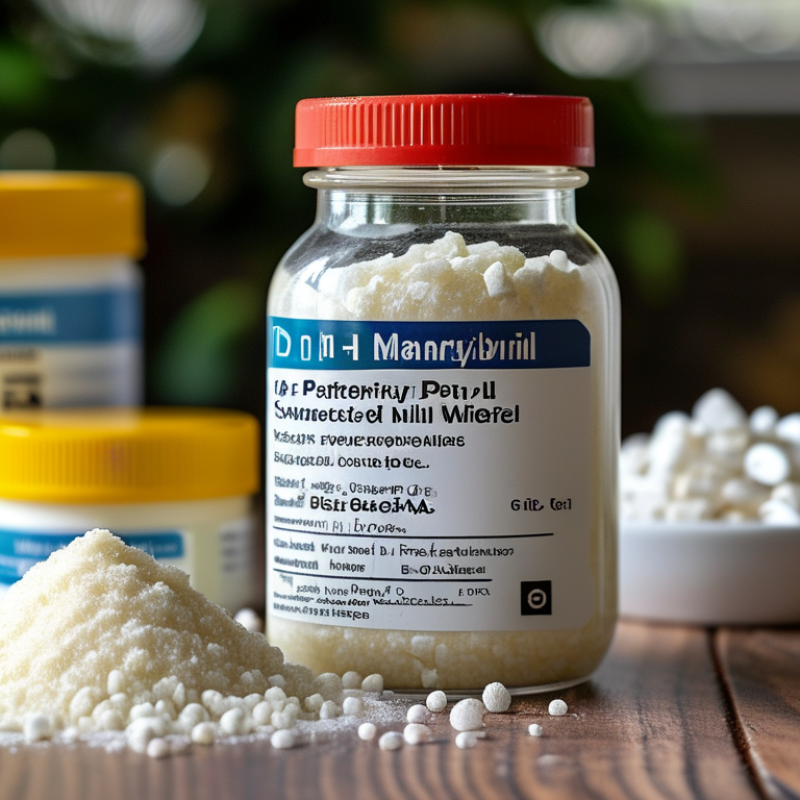
When buying D-chiro-inositol in bulk, define the material before comparing prices. The specification should state D-chiro-inositol, molecular formula C₆H₁₂O₆, and molecular weight 180.16 g/mol. Its stereochemical identity matters. A general inositol test may not distinguish this isomer reliably. Request identity testing by FTIR, NMR, or a validated chromatographic method. Specify assay limits, such as not less than 98.0%, based on dry weight. The certificate of analysis should also report water content, ash, residual solvents, heavy metals, and microbial results.
The 2024 Grand View Research inositol market analysis estimates the global market at more than USD 1 billion and forecasts continued growth through 2030. That scale supports wider supply, but it does not prove every batch is equivalent. Supplier qualification remains essential. Ask for three recent batch records, test methods, chromatograms, and the manufacturing country. Confirm whether the quoted material is neat powder or a blended premix. Packaging should protect against humidity, preferably with sealed, food-grade inner liners. Lot traceability is non-negotiable.
Tips: Request a pre-shipment sample. Compare its assay with the final lot. Check the retest date and storage range. I would not accept “pharmaceutical grade” without measurable criteria. A small specification gap can create large formulation problems. One overlooked detail is particle size. It affects blending, dust, and dose uniformity. Require a stated range, even if your first draft feels incomplete.
Buying D Chiro Inositol in bulk requires more than comparing prices. Screen each supplier for current cGMP compliance and verify the certificate’s scope. It should cover the actual manufacturing site and product category. ISO 22000 certification should also be valid, traceable, and issued by a recognized certification body.
Request a recent sample and its certificate of analysis before discussing large volumes. The assay should meet or exceed 98%, with the testing method clearly stated, preferably HPLC.
Check identity, moisture, heavy metals, microbial limits, and residual solvents. Ask whether testing is performed for every batch.
Review lot numbers, production dates, retest periods, and storage conditions. A clean document is useful. It is not enough.
Tips: Ask for an independent laboratory report when records seem incomplete. Confirm that the sample matches the proposed bulk material. Inspect packaging details, tamper evidence, and temperature requirements during transport. Keep written records of every question and response. I have found that vague answers often create larger problems later. Supplier audits can reveal practical issues, such as poor labeling or weak traceability. However, remote document reviews may miss them. That limitation deserves honest consideration. Choose a supplier that explains deviations clearly and supports controlled, repeatable quality rather than making the biggest promise.
A supplier’s COA should be your first quality checkpoint, not a decorative PDF. Request the original report for each batch of D Chiro Inositol. Confirm the lot number, test date, laboratory, specification, and manufacturing site. HPLC should verify assay strength and chromatographic purity. Identity testing should use a second technique when possible, such as FTIR. One test can miss a problem.
Heavy-metal results should show lead, arsenic, cadmium, and mercury separately. Do not accept only “passed” or “within limits.” Microbial testing should include total aerobic count, yeast and mold, and relevant pathogens. FDA’s Import Refusal Report repeatedly identifies microbial contamination, heavy metals, and labeling failures across food and supplement categories. AOAC methods and ISO/IEC 17025-accredited laboratories add useful credibility. Still, accreditation does not guarantee every result is correct.
Tips: Compare the COA with an independent laboratory test. Check whether the sample date matches the shipped lot. Contact the laboratory directly if signatures or methods look vague. A COA is evidence, not proof. I would also review stability data, because moisture can change powder quality during storage. USP quality guidance and AOAC validation principles support documented methods, but buyers should avoid relying on supplier claims alone. Small details matter.
Buying D Chiro Inositol in bulk requires more than choosing the lowest quotation. Compare the minimum order quantity (MOQ) with your actual production plan. A 25-kilogram MOQ may reduce the unit price, but it can create storage pressure and cash-flow risk. Ask for tiered pricing at 25, 100, and 500 kilograms. Confirm whether the price includes packaging, testing, and export documents. A low quote can still be expensive.
Lead time should cover production, quality release, and transportation. Request a written schedule, not a casual estimate. Check the certificate of analysis for identity, assay, moisture, heavy metals, and microbiological limits. Batch numbers and traceability matter. Suppliers with documented quality systems and consistent test records are easier to evaluate. Still, documents alone are not proof. Independent testing may be worthwhile before a large shipment.
Tips: Compare Incoterms carefully. Under EXW, you may arrange pickup, export clearance, and inland transport. Under FOB, the supplier usually handles delivery to the named port. Under CIF, insurance and ocean freight are included, but destination charges may remain. Clarify risk transfer in writing. Payment terms also deserve attention. A small deposit with balance after inspection may protect both sides better than full prepayment. I have seen buyers focus on price and overlook currency fees, bank charges, and delayed release. That decision often needs reconsideration.
Buying D-chiro-inositol in bulk requires more than comparing price per kilogram. Ask each supplier for a complete lot record before signing a purchase agreement. The record should show the lot number, production date, country of origin, test date, and storage conditions. Keep samples from every shipment. They can support future investigations when results do not match expectations.
Request a current certificate of analysis with identity, assay, moisture, microbiological results, and testing methods. Confirm whether an independent laboratory performed the tests. Retest dates must be clear, not hidden in small print. Ask what happens when a lot reaches that date. Packaging also deserves close attention. Sealed inner bags, tamper-evident closures, food-grade materials, and readable labels reduce handling risks. Specify pallet conditions, humidity limits, and temperature controls in writing. Small details matter.
Include audit rights in the supply contract. These rights should cover relevant facilities, quality records, change-control notices, deviations, and corrective actions. A remote document review may be useful, but it cannot replace every on-site assessment. I have seen buyers accept polished paperwork too quickly. That is a weakness worth admitting. Supplier questionnaires can miss real warehouse problems. Verify critical claims through retained samples, shipment photos, and independent testing when the order value justifies it. Keep an approval trail for every decision.
Before placing a bulk order, buyers should verify that each batch can be linked to its manufacturing records, certificate of analysis, manufacturing date, retest date, packaging details, and audit documentation. In this chart, “1” means the information should be present and verifiable in the supplier’s batch file.
© 2025 Henleys Medical Supplies | Website Cookies & Privacy Policy | Company Privacy Notice | Terms of Sale | Cancellation & Returns | Company Reg No. 452882 | Vat No. GB229 2540 68 | Web design by Cariad Marketing
