
Choosing the best Alpha Arbutin Powder in 2026 requires more than comparing purity percentages. A bright white powder may look impressive, yet appearance cannot confirm identity, stability, or performance. This guide examines supplier transparency, testing standards, formulation behavior, and practical value. It considers whether each product provides a current certificate of analysis, batch information, heavy-metal screening, and microbial testing. These details matter when a small scoop becomes part of a larger cosmetic formula.
Performance depends on more than the label.
A reliable comparison also considers solubility, recommended usage levels, packaging quality, and storage instructions. Moisture-resistant containers can help protect powder during repeated use. Clear technical data can help formulators avoid guesswork. Still, a certificate alone does not prove every claim. Independent laboratory verification would provide stronger evidence, but it is not always available for smaller suppliers. That limitation deserves attention.
The “best” choice may differ between a professional laboratory, a private-label brand, and a careful home formulator. Cost, minimum order quantities, shipping conditions, and customer support can change the final decision. This review does not treat marketing language as scientific proof. Instead, it weighs documented evidence and practical experience together. Readers should also check local cosmetic regulations and follow safe handling procedures. Results may vary. Even a well-tested Alpha Arbutin Powder can perform poorly if stored in heat, exposed to moisture, or added incorrectly. The goal is a balanced evaluation, not an overly confident promise.
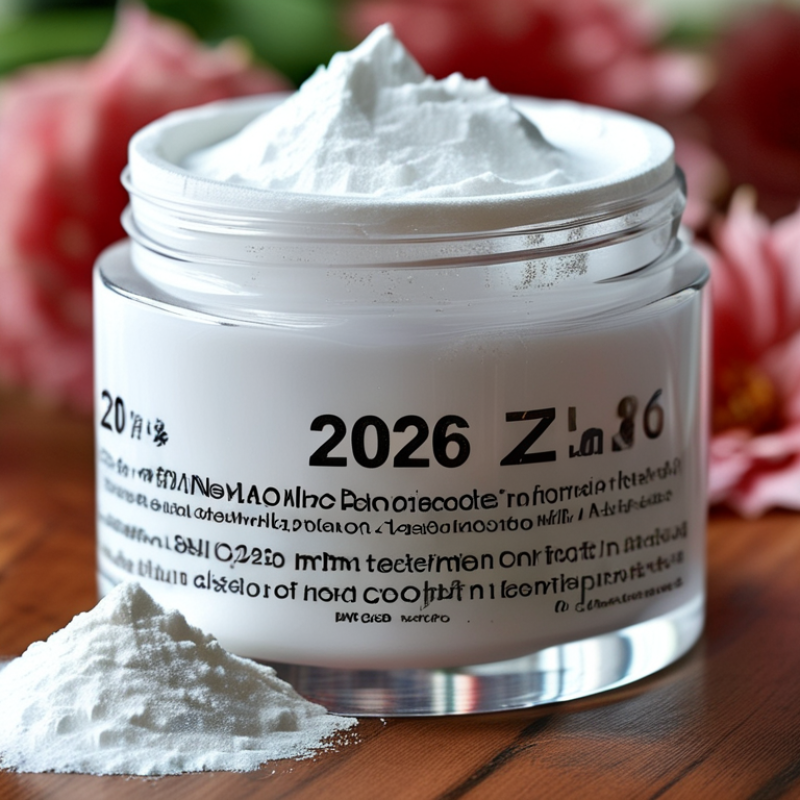
Which Is the Best Alpha Arbutin Powder in 2026?
Alpha-arbutin identity should begin with three fixed details: CAS 84380-01-8, molecular formula C12H16O7, and molecular weight 272.25 g/mol. These values describe the target compound, not its quality grade. A white or nearly white powder may look convincing, but appearance alone proves very little. It can hide moisture, impurities, or incorrect labeling.
In practical quality control, I would request a batch-specific certificate of analysis. The document should connect the material to CAS 84380-01-8 and report assay results. HPLC is useful for confirming purity and related substances. FTIR can support identity testing. Karl Fischer testing may reveal water content, while residual-solvent and microbiological results add important context. Small details matter here, especially when the powder is weighed for a cosmetic formulation.
Check the numbers carefully.
The stated molecular weight, 272.25, helps laboratories compare test calculations and documentation. Still, a matching formula does not guarantee excellent performance. Storage conditions also matter. A tightly sealed container, low humidity, and protection from strong light can help preserve stability. I would also compare test dates, sample size, and analytical methods. One limitation remains: certificates can contain errors. Independent verification is not excessive; it is sensible. The best alpha-arbutin powder in 2026 should therefore be judged by traceable identity, transparent testing, and consistent batch evidence, rather than by color or marketing language.
Which Is the Best Alpha Arbutin Powder in 2026?
The best alpha arbutin powder is not simply the whitest or cheapest option. Its value depends on identity testing, purity, storage, and how responsibly it enters a finished formula. The EU Scientific Committee on Consumer Safety supports alpha-arbutin use up to 2% in face products and 0.5% in body products. These levels apply to finished formulas, not a scoop of loose powder. That distinction matters.
A reliable supplier should provide batch-specific test results, including purity, microbial quality, heavy metals, and hydroquinone-related impurities. Alpha-arbutin can degrade when exposed to heat, moisture, or unsuitable pH conditions. A stable cream in an opaque, well-sealed container may be safer than a higher-purity powder used carelessly. In practice, “best” is partly a formulation question. I would not judge quality from appearance alone. That shortcut often fails.
Tips: Check the certificate of analysis and manufacturing date. Use an accurate scale, not a kitchen spoon. Follow the stated use level and choose a qualified cosmetic formulator when possible. Patch testing is sensible, although it cannot predict every reaction. Stop using the product if persistent burning, swelling, or rash appears. Some guidance feels reassuring, but real-world handling still deserves scrutiny.
The SCCS supports a maximum concentration of 2.0% alpha-arbutin in face products and 0.5% in body products under the assessed conditions.
Reference: Scientific Committee on Consumer Safety (SCCS), safety assessment of alpha-arbutin in cosmetic products.
Which Is the Best Alpha Arbutin Powder in 2026?
The best alpha arbutin powder is not chosen by appearance alone. I examine the latest batch, not an old product page. A clear COA should show the lot number, test date, laboratory name, and analytical methods. HPLC assay results matter most for potency. Look for a stated percentage, such as 98% or higher, with the test method identified. “Pass” is too vague. It does not prove much.
HPLC can confirm alpha arbutin content, but it cannot replace every safety check. The COA should list lead, cadmium, arsenic, and mercury separately. Each result needs units, detection limits, and applicable specification limits. Heavy-metal results reported only as “compliant” deserve questions. I also check moisture, residual solvents, appearance, and microbial results when available. A recent independent laboratory report adds confidence. Still, one document can be incomplete. I have seen neat COAs with missing method details.
Tips: Match the COA lot number with the container. Request raw HPLC chromatograms when possible. Check whether the laboratory is accredited for the reported tests. Compare several batches, because consistency matters more than one impressive result. Do not treat a high assay as proof of overall quality. Storage records matter too; heat and humidity can affect powder stability. I would keep a small retained sample for later comparison. It is a simple step, but often overlooked.
| Quality criterion | Preferred benchmark | Acceptable benchmark | Weak or incomplete evidence | How to verify |
|---|---|---|---|---|
| Identity | Alpha-arbutin; CAS 84380-01-8; identity confirmed by HPLC retention time and a complementary technique such as FTIR. | CAS number and HPLC identity are stated, with one supporting identification test. | Only the name “arbutin” is shown, or beta-arbutin and alpha-arbutin are not distinguished. | Check the COA, specification sheet, SDS, and test-method description. |
| HPLC assay | ≥99.0% alpha-arbutin by HPLC, preferably reported on an as-is basis with the calculation method stated. | 98.0–98.9% with a clear method, batch number, test date, and specification limit. | “High purity” is claimed without a numerical result, chromatogram, or method reference. | Confirm HPLC conditions, result, units, basis of calculation, and whether related arbutin isomers are separated. |
| HPLC method transparency | Column, mobile phase, flow rate, detector wavelength, injection volume, run time, reference standard, and system-suitability information are provided. | A recognized or validated HPLC method is cited, but some operating parameters are omitted. | A percentage is provided with no test method or laboratory traceability. | Request the chromatogram and the laboratory’s method summary. |
| COA traceability | Batch-specific COA showing manufacturing date, retest or expiry date, sample date, test date, laboratory identification, and authorized approval. | Batch number and test date are present, but laboratory accreditation or approval details are limited. | A generic COA is reused across batches or contains no lot number. | The lot number on the COA must match the package label and shipping documents. |
| Lead (Pb) | ≤10 ppm as a practical raw-material screening limit; lower results are preferable. | More than 10 ppm only where a documented legal or product-specific limit permits it. | No individual lead result is reported. | Verify ICP-MS, ICP-OES, or an equivalent validated elemental-analysis method. |
| Arsenic (As) | ≤2 ppm as a conservative screening benchmark. | Above 2 ppm only when justified by the applicable market-specific requirement and risk assessment. | Only “heavy metals pass” is reported without an arsenic value. | Check the individual arsenic result and reporting limit. |
| Cadmium (Cd) | ≤1 ppm as a conservative screening benchmark. | A documented market-specific limit is met, with the numerical result disclosed. | Cadmium is not tested separately. | Confirm the analytical technique, sample preparation, and detection limit. |
| Mercury (Hg) | ≤1 ppm as a conservative screening benchmark. | A documented market-specific limit is met, with the numerical result disclosed. | Mercury is included only in a non-specific total-heavy-metals statement. | Review the individual mercury result and laboratory reporting limit. |
| Microbiological quality | Total aerobic microbial count and yeast/mold results are reported, with absence of specified pathogens where relevant to the intended use. | Basic microbial limits and a pass/fail conclusion are provided. | No microbiological information is available for a cosmetic-grade powder. | Use the finished-product risk assessment and applicable cosmetic standard for the target market. |
| Physical specifications | White to off-white powder, controlled moisture or loss on drying, defined particle-size or solubility profile, and no abnormal odor. | Appearance and at least one physical parameter are specified. | No appearance, moisture, solubility, or storage information is supplied. | Compare the COA with the specification sheet and inspect the sealed package. |
Which Is the Best Alpha Arbutin Powder in 2026?
The best alpha arbutin powder is not chosen by appearance alone. Solubility is a practical starting point. A reliable grade should dissolve evenly in purified water without floating grains or persistent sediment. In formulation work, I usually test a small sample at room temperature. Clear or nearly clear results are easier to evaluate. However, solubility can change with concentration and mixing speed.
pH control matters just as much. A finished formula commonly performs well around pH 3.5 to 6.5, but the exact target depends on the full ingredient system. Outside this range, stability may decline. Test the pH after complete dissolution, not immediately after adding the powder. That small timing mistake can produce misleading readings. A calibrated meter and fresh buffer solutions improve confidence.
Light and heat resistance require disciplined storage. Use opaque, tightly sealed packaging with low moisture exposure. Repeated opening near a warm mixing area is not ideal. Short heat exposure during processing may be tolerated, yet prolonged heating should be avoided unless stability data supports it. Ask for HPLC purity, moisture content, batch number, and accelerated stability results. Packaging alone proves little. I would also compare color, odor, and assay results over time. A slight color change may not confirm failure, but ignoring it is careless. My own preference is evidence over a bright white powder.
Which Is the Best Alpha Arbutin Powder in 2026?
The best alpha arbutin powder is not automatically the cheapest option. Source quality deserves close attention. Look for clear information about the manufacturing country, raw-material origin, and production route. A traceable source should provide a lot number, sealed packaging, and a realistic shelf life. Vague sourcing is a warning sign.
Batch testing separates careful suppliers from attractive listings. Request a recent certificate of analysis for the exact lot you may purchase. Check the assay method, purity result, moisture level, and testing date. HPLC results are useful for confirming identity and concentration. Heavy-metal and microbiological tests also matter for cosmetic formulation. A document without a matching batch number proves very little. That detail is easy to miss.
Price per gram gives a more honest comparison. Divide the total product cost by the net powder weight, then add shipping and testing fees. For example, a 100-gram pouch costing 38 dollars equals 0.38 dollars per gram before delivery. A cheaper powder may become expensive after poor assay results or wasted material. I once focused too heavily on the listed price. That was a mistake. Purity, packaging, and usable shelf life can change the real value. Keep records of supplier replies, test dates, and storage instructions before making a purchase.
© 2025 Henleys Medical Supplies | Website Cookies & Privacy Policy | Company Privacy Notice | Terms of Sale | Cancellation & Returns | Company Reg No. 452882 | Vat No. GB229 2540 68 | Web design by Cariad Marketing
